For business owners in Ketchikan, heavy rain and cold temperatures are part of everyday life. While most people prepare for slick sidewalks and damp weather, far fewer realize how these conditions dramatically increase rodent activity around commercial buildings.
Seasonal rain and cold do not reduce rodent populations. They push rodents indoors. For Ketchikan businesses, especially restaurants, retail spaces, warehouses, and offices, this shift can create serious health, safety, and compliance risks if ignored.
Recognizing the warning signs early is the difference between a manageable issue and a full-scale infestation.
Why Rain & Cold Drive Rodents Indoors in Ketchikan
Rodents are survival experts. When outdoor environments become wet, cold, and unstable, they actively search for shelter that provides warmth, food, and protection.

In Ketchikan, prolonged rainfall and dropping temperatures cause:
- Flooded or collapsed outdoor burrows
- Reduced access to natural food sources
- Increased exposure to predators
- Cold stress that pushes rodents to seek heat
Commercial buildings offer ideal conditions, including consistent indoor temperatures, hidden nesting areas, and steady food access.
Why Businesses Are at Higher Risk Than Homes

Rodents are opportunistic, and businesses often unintentionally provide easier access than residential properties.
Common risk factors for Ketchikan businesses include:
- Frequent door use throughout the day
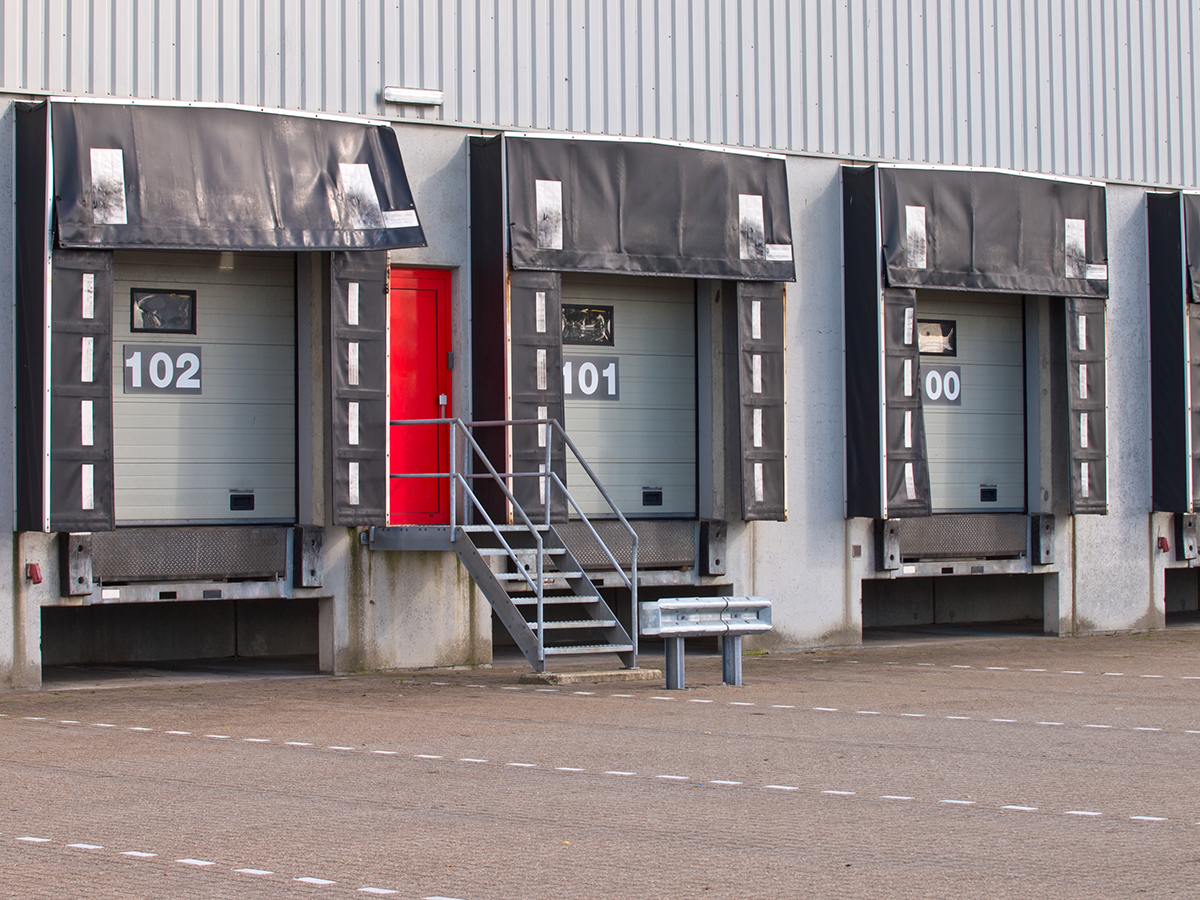
- Delivery doors and loading bays
- Dumpsters and grease storage
- Shared walls in multi-tenant buildings
- Utility penetrations and floor drains
Restaurants and food service businesses face the highest risk, but offices, retail stores, and storage facilities are also vulnerable during wet and cold seasons.
Early Warning Signs You Should Not Ignore
Rodent infestations rarely appear overnight. Most problems begin quietly and escalate over time. Ignoring early signs allows populations to grow rapidly.
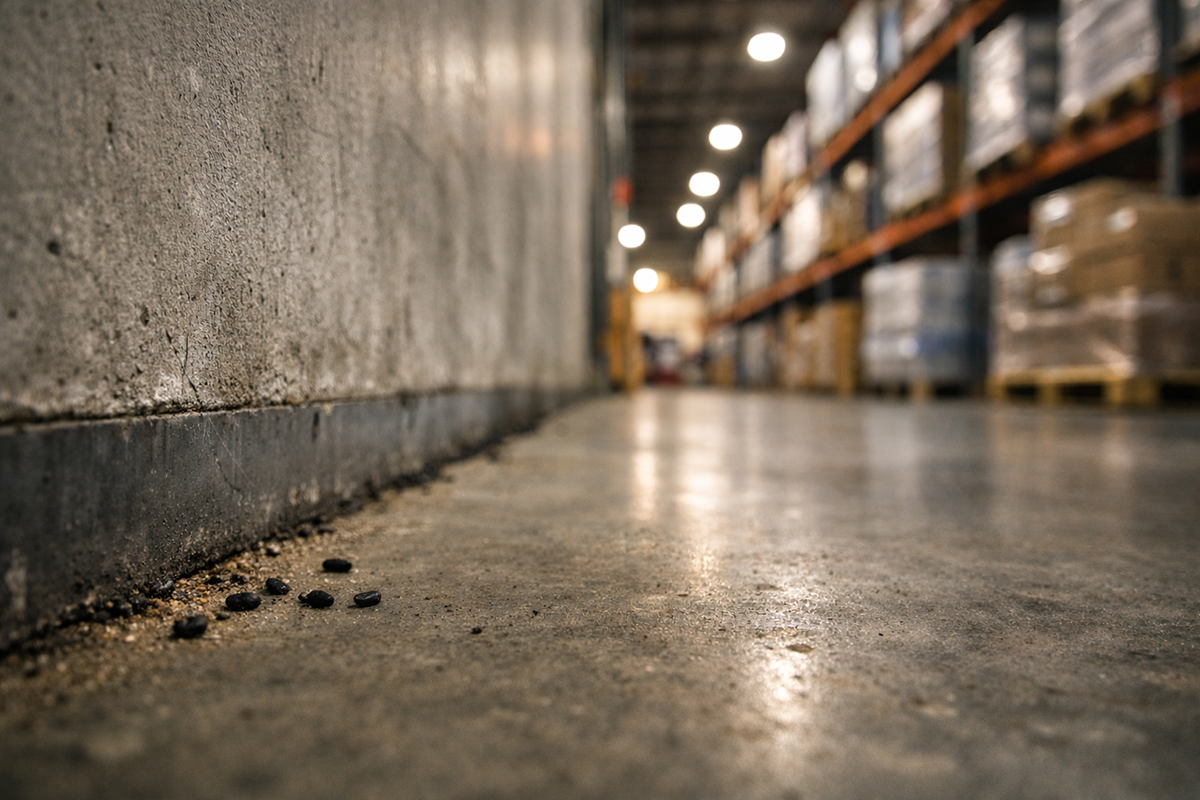
Droppings in Unexpected Areas
Rodent droppings are often the first visible indicator. Finding droppings in storage rooms, behind equipment, under sinks, or near entry points should never be dismissed.
Even a small number of droppings can indicate active nesting nearby.
Gnaw Marks and Damage
Rodents chew constantly to keep their teeth from overgrowing. Gnaw marks may appear on:
- Food packaging
- Cardboard boxes
- Wiring and insulation
- Wood trim and baseboards
Chewed electrical wiring also increases fire risk, making this more than just a sanitation issue.
Scratching or Movement Sounds
Hearing scratching, scurrying, or movement in walls, ceilings, or under floors is a strong indicator of rodent activity. These sounds are often more noticeable at night or during quiet hours.

Grease Marks and Rub Lines
Rodents frequently travel the same paths along walls and edges. Over time, they leave dark grease marks from their fur. These marks are often found near baseboards, behind appliances, or along wall corners.
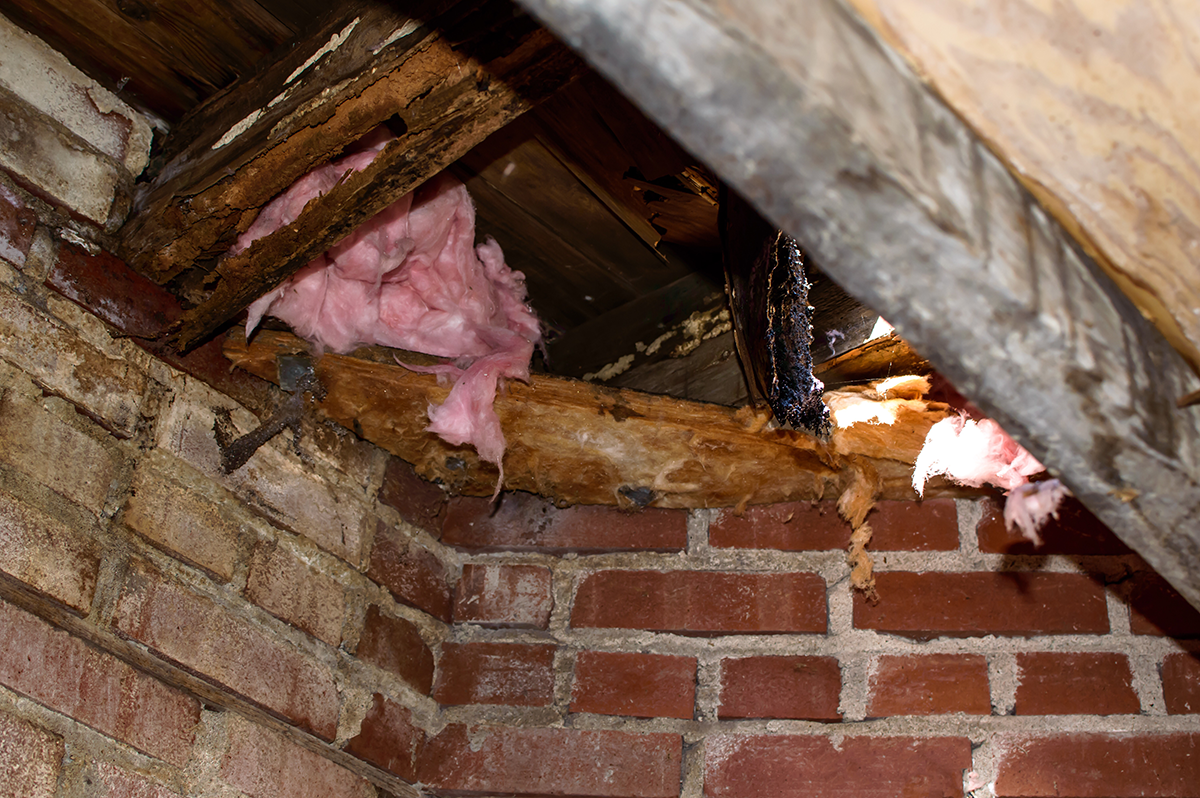
Nests and Shredded Materials
Rodents build nests using paper, insulation, fabric, and other soft materials. Finding shredded paper products or insulation debris is a clear warning sign.
How Rainy Seasons Make Rodent Problems Worse
Ketchikan’s long rainy seasons create persistent moisture issues that rodents depend on.
Water sources rodents exploit include:
- Leaking pipes
- Floor drains
- Condensation under equipment
- Standing water near foundations
Moist environments allow rodents to survive longer indoors and establish nests closer to food sources.
Common Rodents Affecting Ketchikan Businesses
The most frequent rodent issues in Ketchikan commercial properties involve:
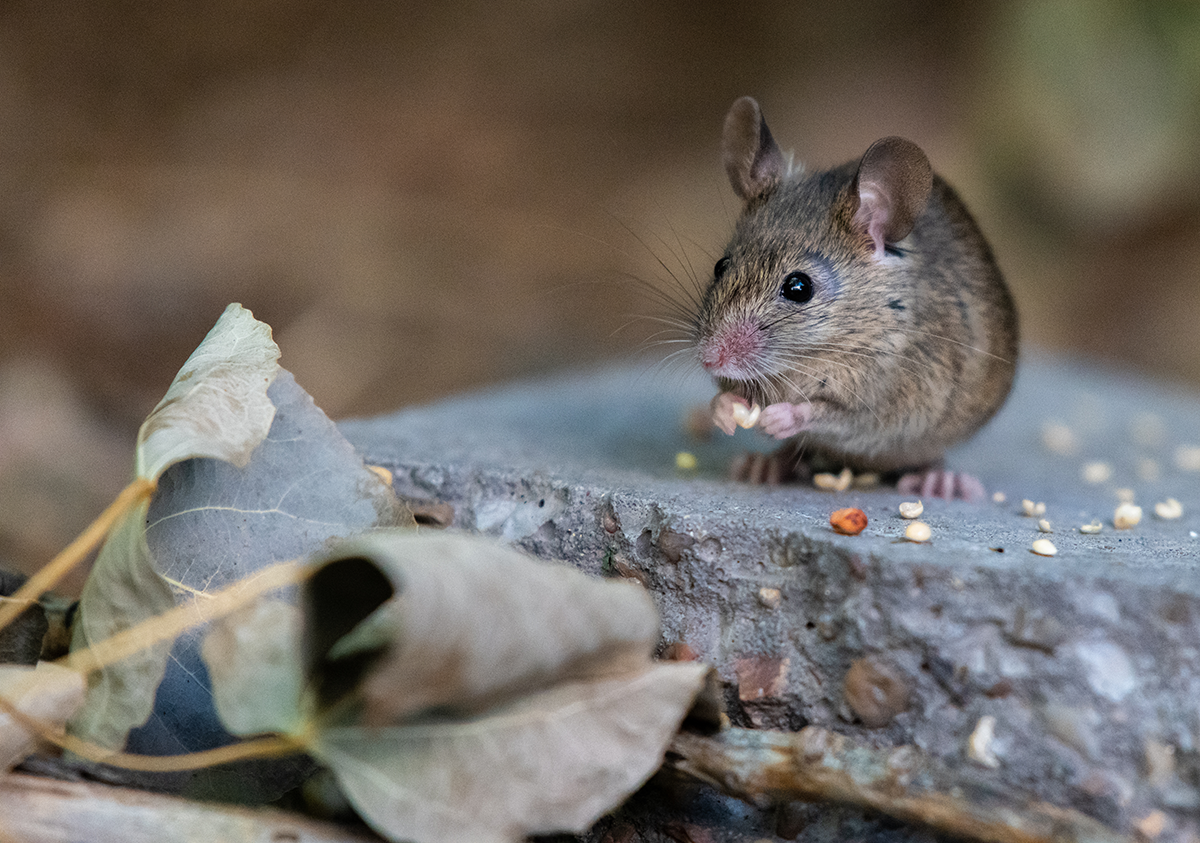
House Mice
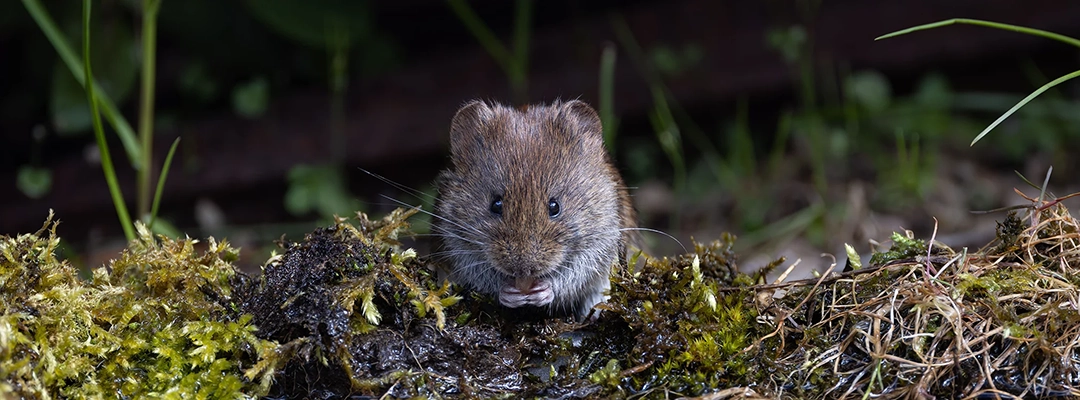
Small and fast breeders that can squeeze through openings as small as a dime. They are commonly found in kitchens, storage rooms, and office spaces.
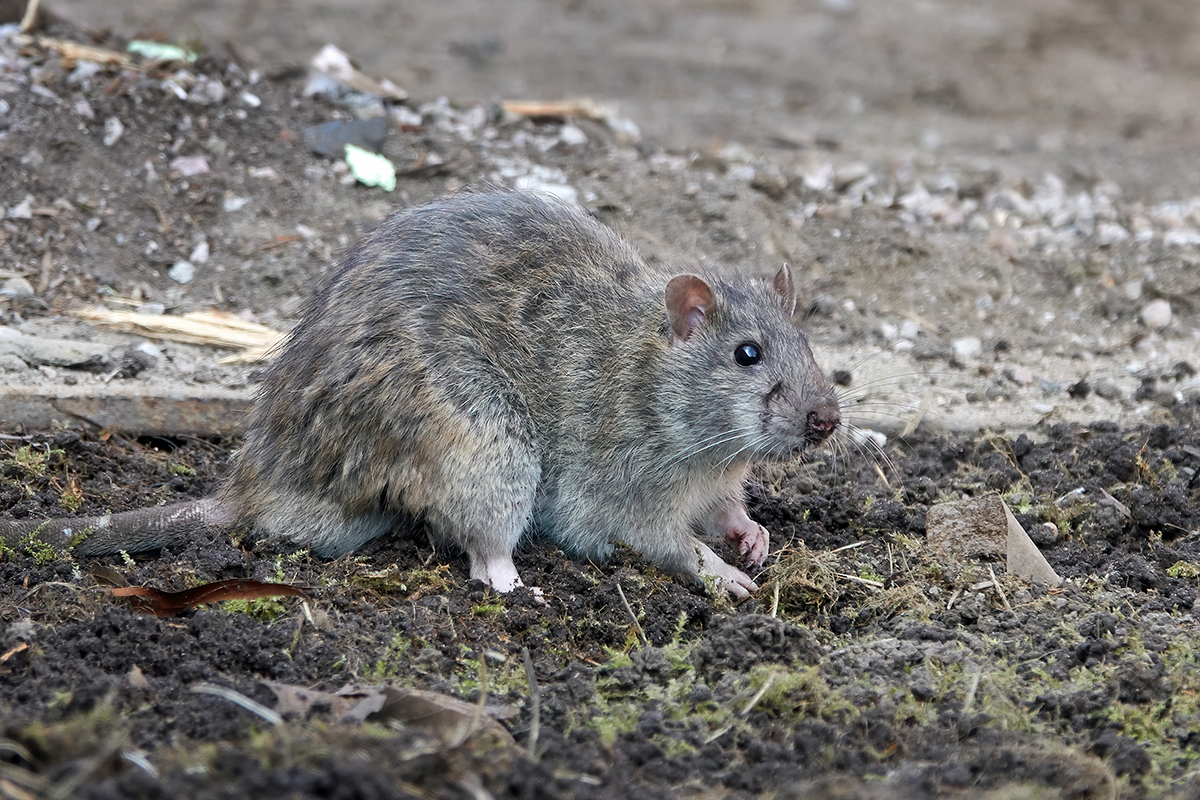
Norway Rats
Larger rodents typically associated with dumpsters, lower levels, and dock-adjacent buildings. They are strong swimmers and burrowers.
Roof Rats
More agile climbers that often infest ceilings, attics, and upper floors. These are especially problematic in multi-level buildings.
Each species requires different control strategies, making professional identification important.
Why Seasonal Rodent Activity Is a Serious Business Risk
Rodents are not just a nuisance. They pose real risks to businesses.
Rodent activity can lead to:
- Food contamination
- Health code violations
- Failed inspections
- Equipment damage
- Customer complaints
- Reputation damage through online reviews
For restaurants and food-related businesses, even one confirmed rodent sighting can result in temporary closure or mandatory corrective action.
Why DIY Solutions Often Fail
Many business owners attempt to address rodent problems with traps or store-bought products. While these may catch individual rodents, they rarely solve the underlying issue.

DIY approaches fail because they do not:
- Identify entry points
- Address nesting locations
- Prevent reinfestation
- Comply with commercial safety standards
Improper placement of traps or bait can also create safety concerns in commercial environments.
What Professional Rodent Control Looks Like
Effective rodent control for Ketchikan businesses involves more than removal.
Professional service includes:
- Full property inspection
- Identification of rodent species
- Entry point detection
- Targeted trapping and baiting
- Exclusion recommendations
- Ongoing monitoring and prevention
Seasonal service programs are especially important in Ketchikan, where rain and cold persist for much of the year.
How Alaska Pest Management Supports Ketchikan Businesses
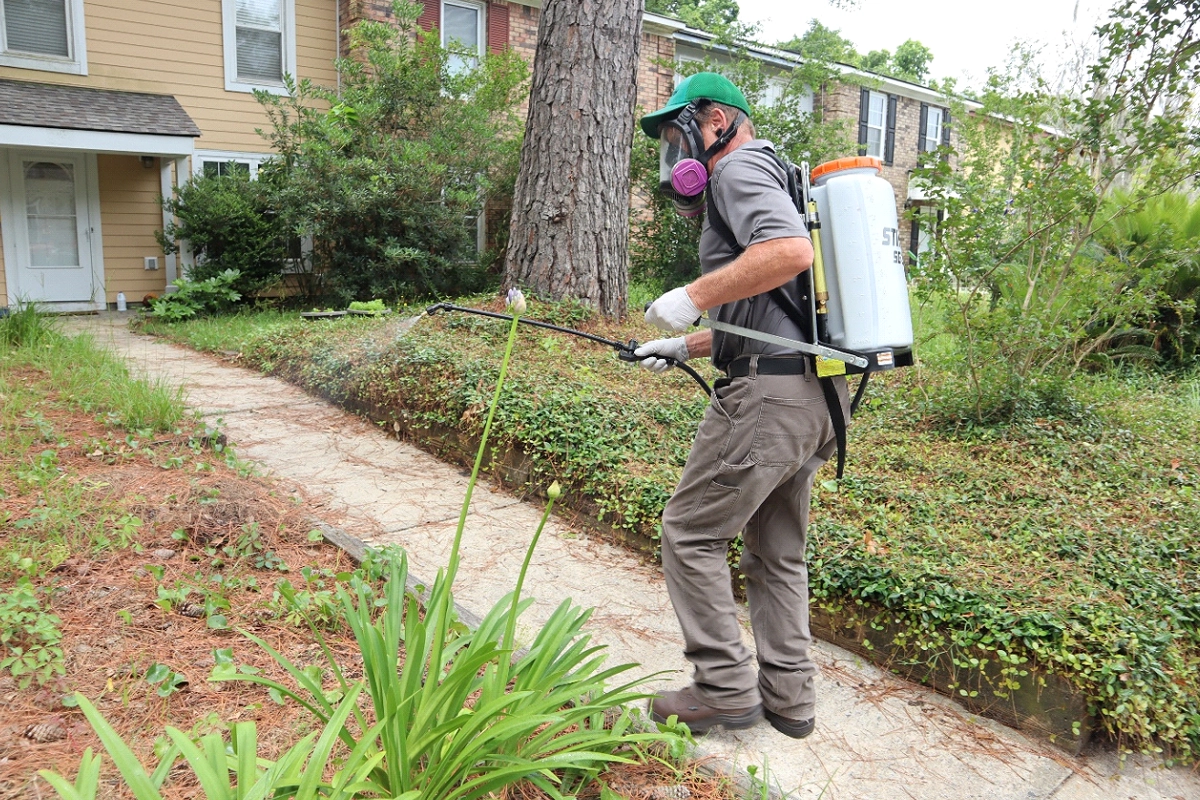
Alaska Pest Management understands the unique environmental pressures that affect businesses in Ketchikan. Treatment plans are customized based on building type, industry, and seasonal risk.

Services support:
- Restaurants and food service facilities
- Retail and office spaces
- Warehouses and storage facilities
- Multi-tenant commercial buildings
Proactive rodent control helps businesses stay compliant, protected, and operational year-round.
Simple Prevention Steps Businesses Can Take
While professional service is essential, daily habits also matter.
Helpful steps include:
- Keep doors closed and sealed
- Repair leaks promptly
- Clean food prep areas thoroughly
- Store food in sealed containers
- Empty trash regularly
- Inspect deliveries before bringing them inside
Training employees to report signs early can prevent small problems from escalating.
The Bottom Line for Ketchikan Businesses
Seasonal rain and cold significantly increase rodent activity in Ketchikan, pushing rodents indoors where businesses provide warmth, shelter, and food. Ignoring early warning signs often leads to larger infestations, higher costs, and compliance risks.
Alaska Pest Management offers professional rodent control services for Ketchikan businesses, designed to prevent and eliminate rodent activity during wet and cold seasons. Learn more about our Rodent Control Services and contact us today to start a monthly plan!
Early action is the most effective way to protect your business, customers, and reputation year-round.