As winter loosens its grip on Southeast Alaska, something else begins to stir besides longer days and warmer temperatures. Spring marks the reawakening of pest activity across the region. Melting snow, rising moisture, and milder weather create ideal conditions for insects and rodents to emerge, reproduce, and search for food.
For homeowners and business owners alike, this seasonal shift often means an increase in unwanted visitors. Understanding what pests are most active in spring and how they behave is the first step toward keeping your property protected.
Let’s take a closer look at what’s crawling, flying, and sneaking into homes across Southeast Alaska this spring.
Why Spring Triggers Pest Activity
Spring in Southeast Alaska brings a unique mix of moisture and moderate temperatures. While Alaska’s colder climate limits year-round pest pressure, the short transition into warmer months creates a surge in activity.
Many pests spend winter hidden in protected spaces such as soil, wood, or even inside structures. When temperatures rise, they emerge to feed and reproduce. This is why infestations often seem to appear suddenly in early spring.
Common drivers of spring pest activity include:
- Increased moisture from snowmelt and rain
- Abundant food sources
- Warmer nesting conditions
- Breeding cycles beginning
Carpenter Ants: The Silent Structural Threat
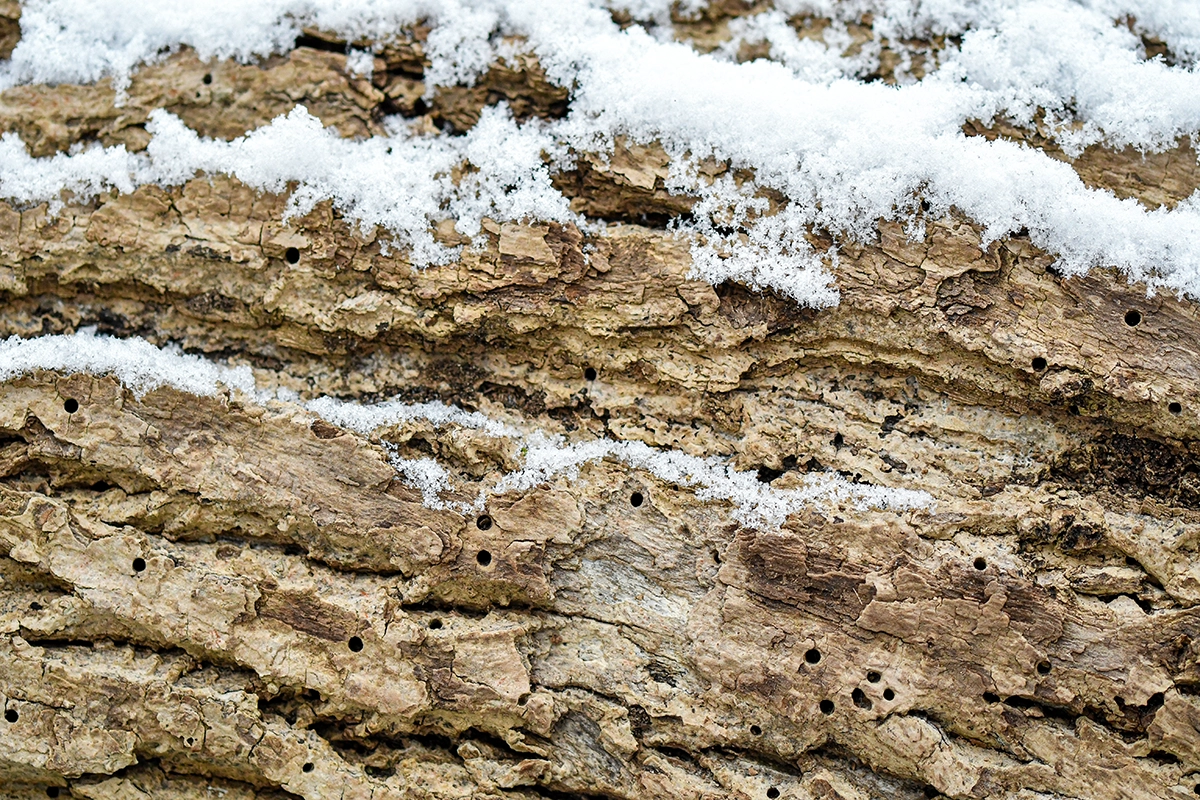
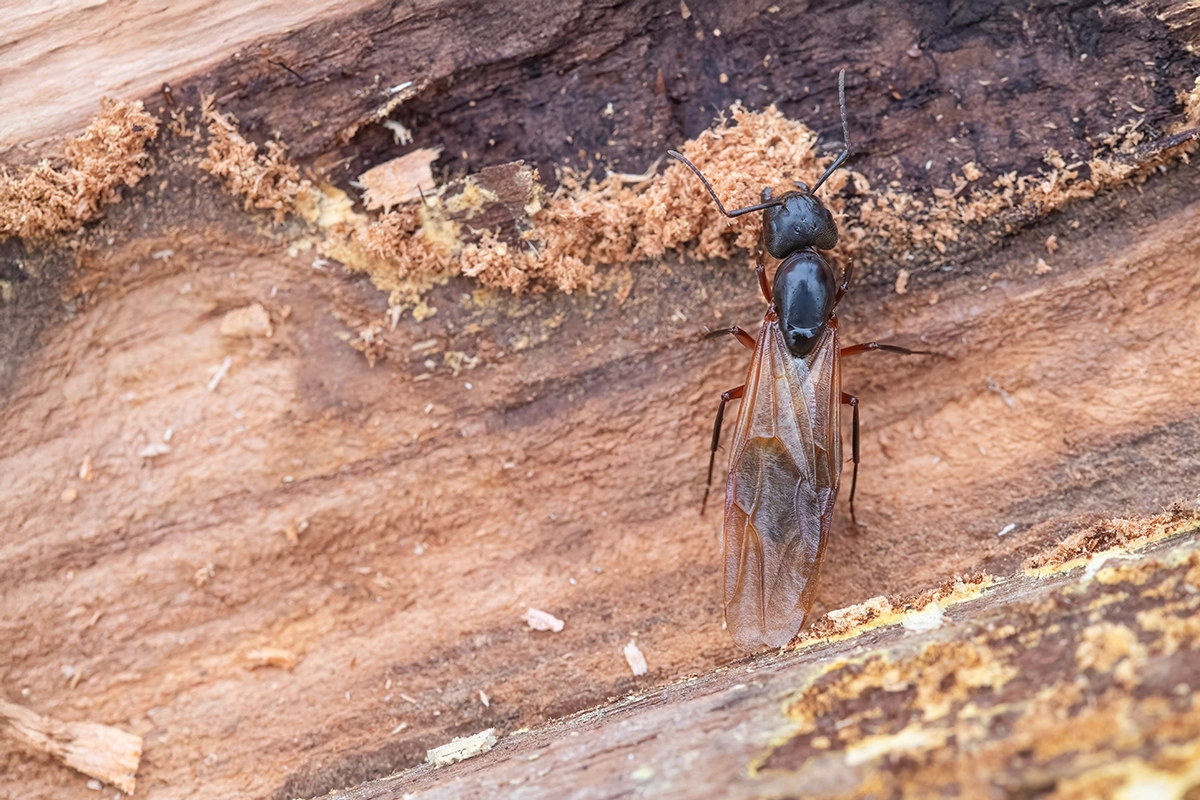
One of the most destructive spring pests in Southeast Alaska is the carpenter ant. Unlike termites, these ants do not eat wood, but they tunnel through it to build nests, which can weaken structures over time.
Carpenter ants are especially attracted to damp or decaying wood, making Alaska’s wet climate a perfect environment for them.
Signs to watch for:
- Large black ants indoors
- Sawdust-like debris near walls or baseboards
- Faint rustling sounds in wood structures
- Winged ants emerging in spring
If left untreated, carpenter ants can cause serious structural damage. Early detection and moisture control are key to preventing costly repairs.
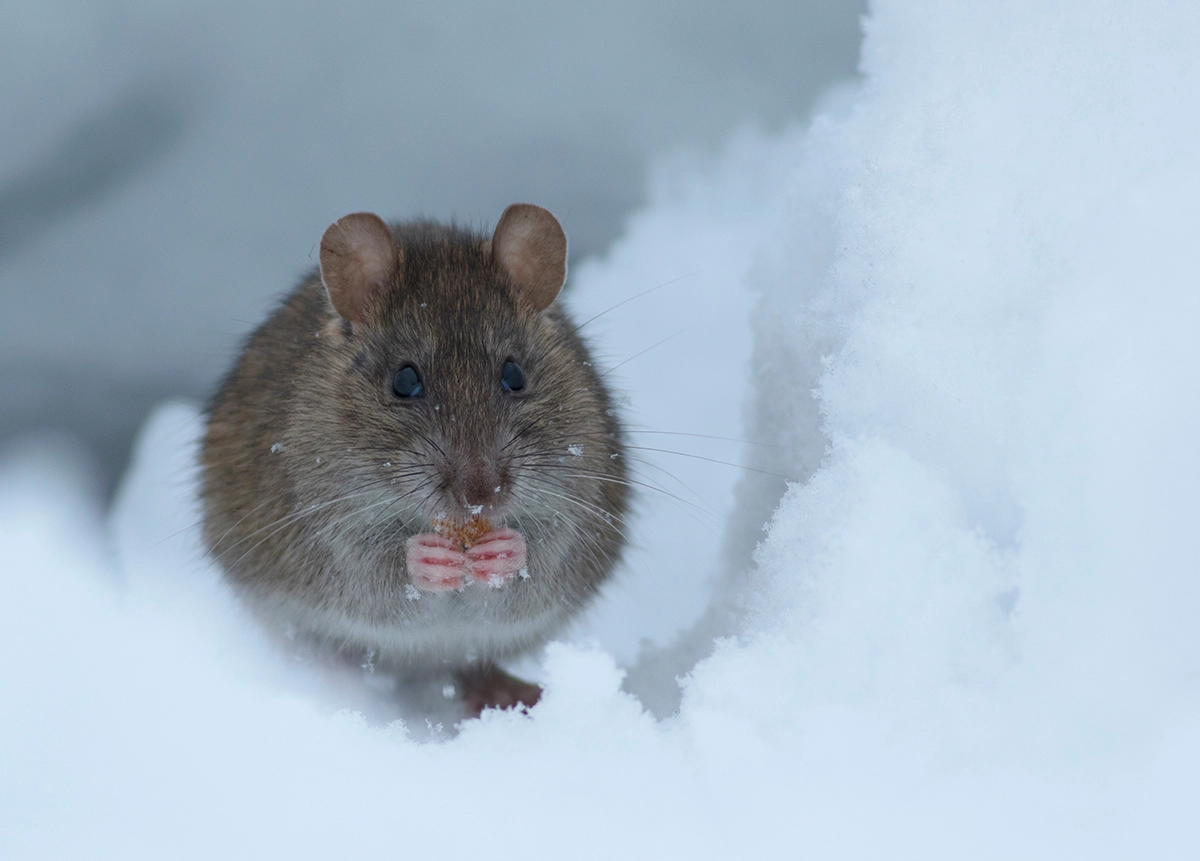
Rodents: Mice, Rats, and Unwanted Houseguests
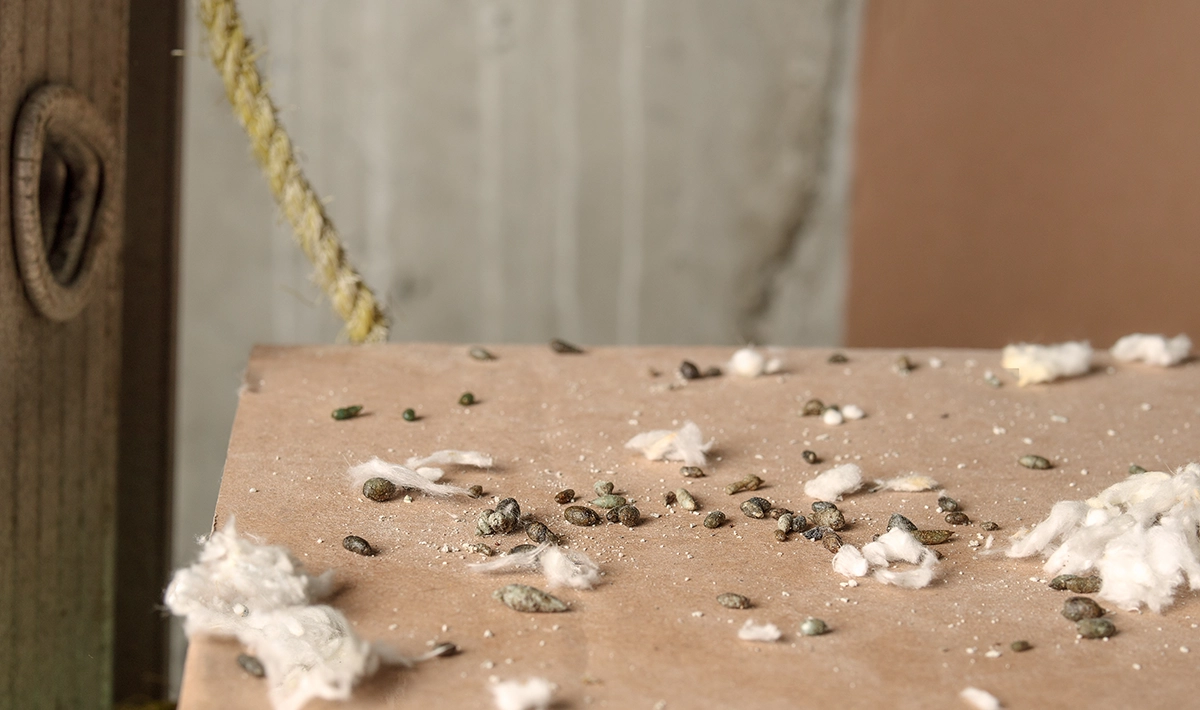
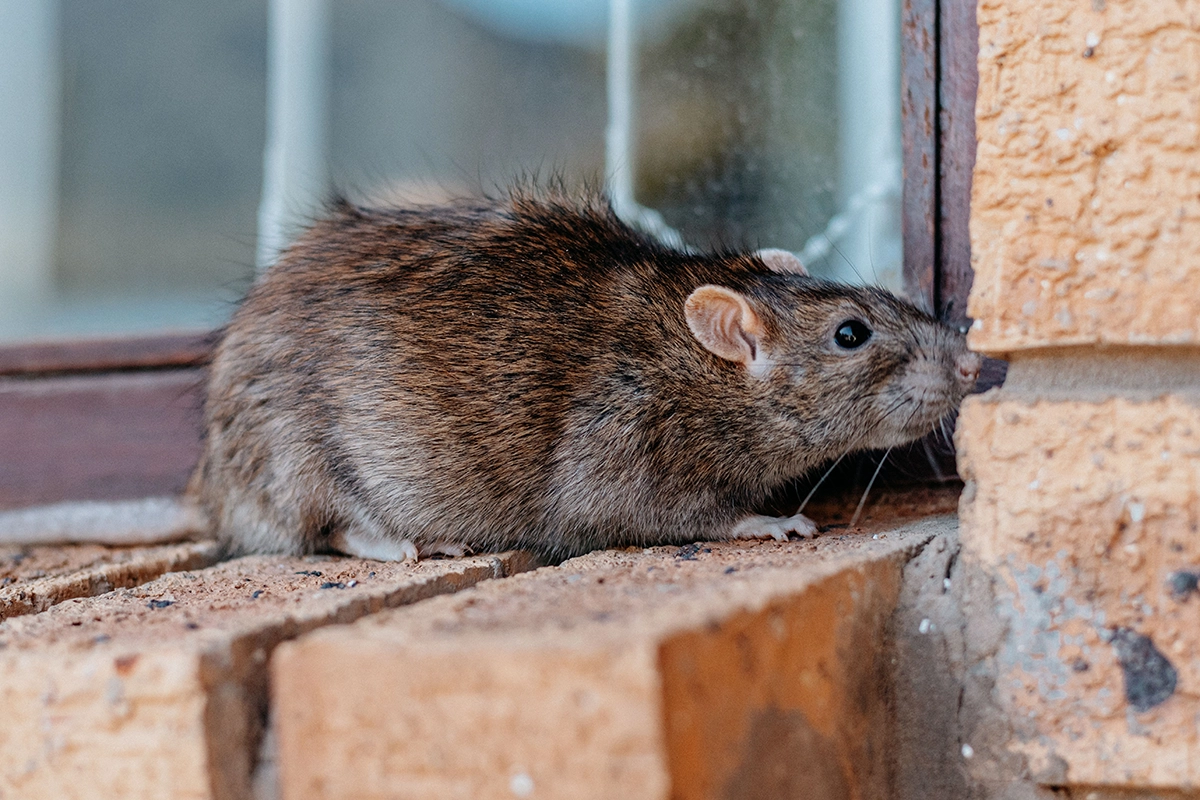
Spring also brings increased rodent activity. As food sources shift outdoors, mice and rats become more mobile and often find their way into homes.
In Southeast Alaska, the most common culprits include Norway rats and house mice, both known for their ability to squeeze through tiny openings and reproduce quickly.
Why rodents are a problem:
- They chew through wiring and insulation
- They contaminate food and surfaces
- They spread diseases
- They multiply rapidly
Common signs:
- Droppings in kitchens or storage areas
- Gnaw marks on food packaging or wood
- Scratching noises in walls or ceilings
- Strong, musky odors
Sealing entry points and maintaining clean storage areas are essential steps in rodent prevention.
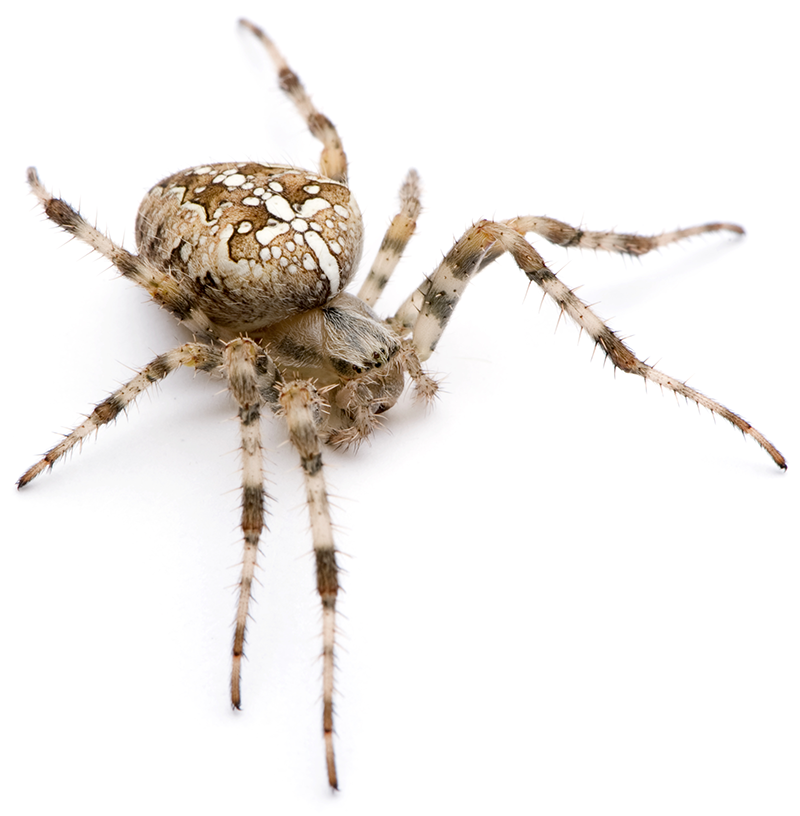
Spiders: Helpful but Unwelcome Indoors
Spiders become more noticeable in spring as their prey increases. While most species in Alaska are harmless and even beneficial, they can quickly become a nuisance indoors.
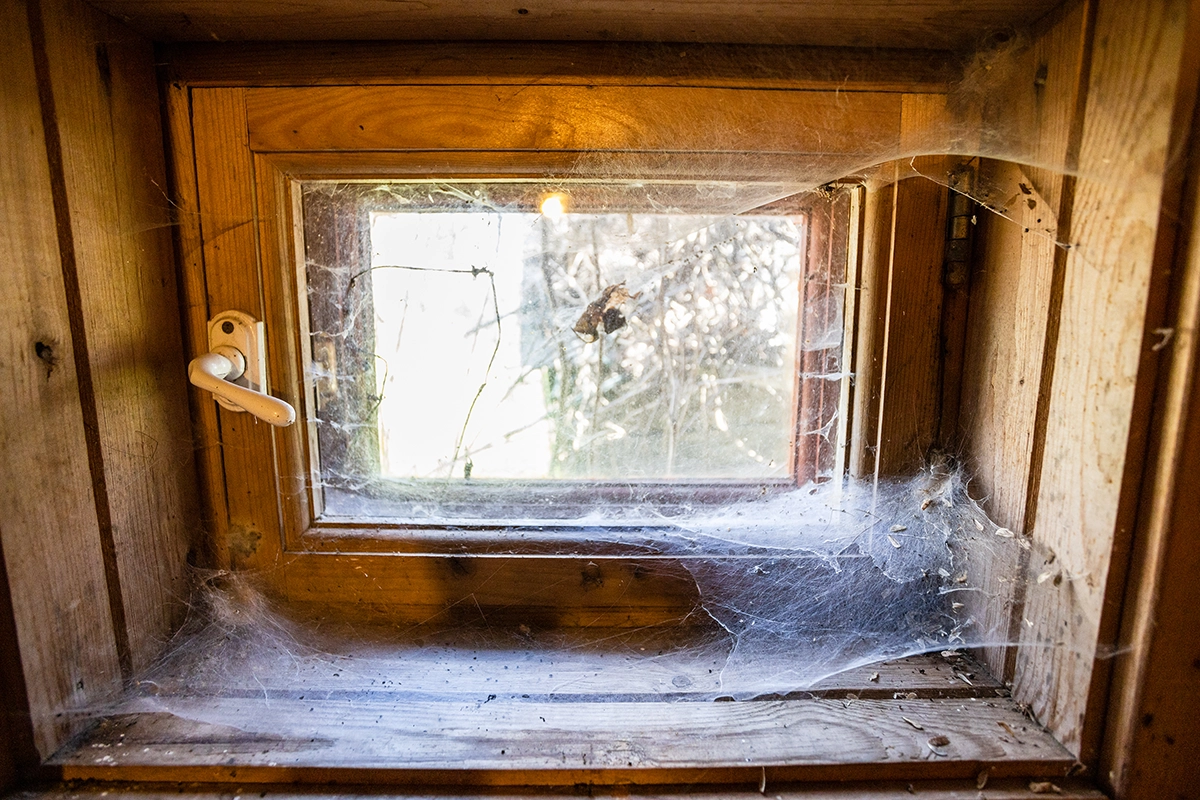
Spiders tend to follow their food source, meaning a spike in other insects often leads to more spider activity.
Where you’ll find them:
- Corners of ceilings and walls
- Basements and crawl spaces
- Garages and storage areas
What attracts them:
- Clutter
- Moisture
- Other insects
Regular cleaning and reducing insect populations can significantly limit spider presence.
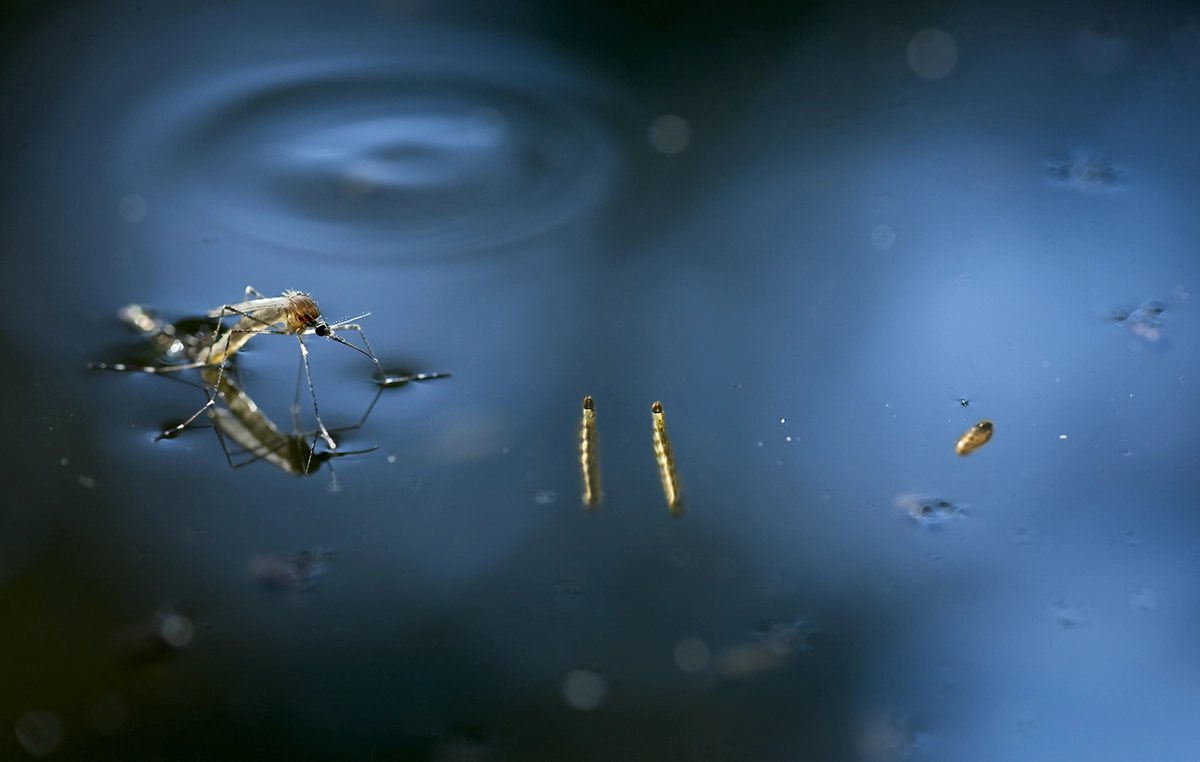
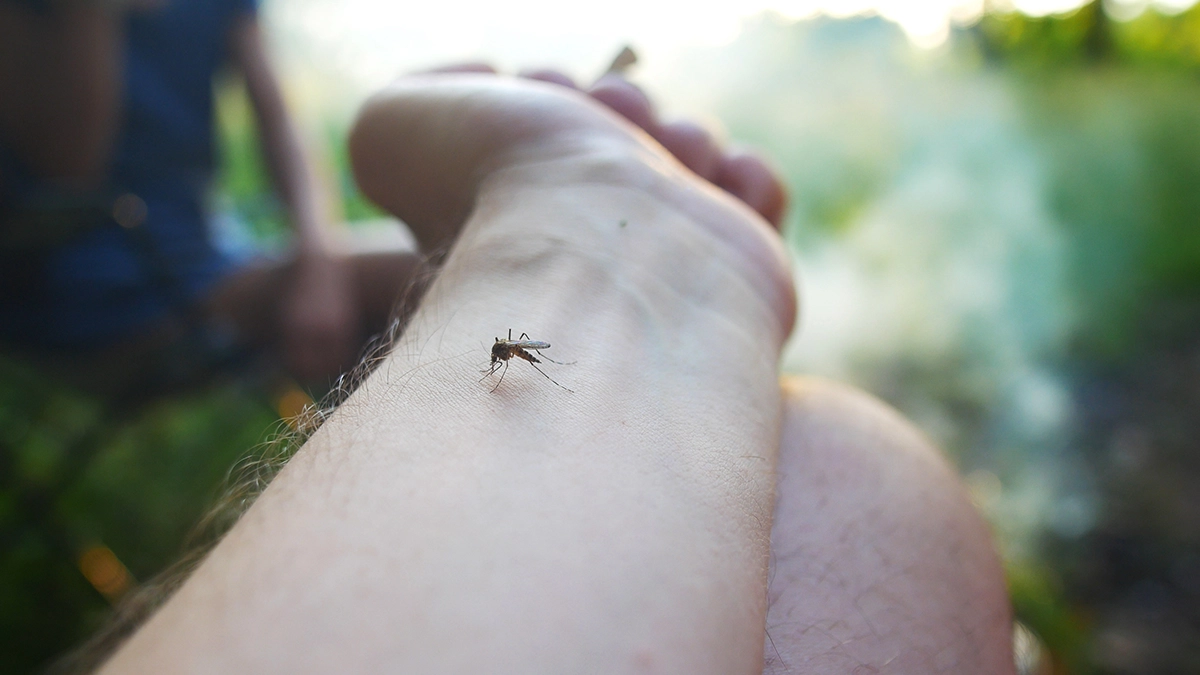
No springtime pest list in Alaska would be complete without mosquitoes. As snow melts, standing water becomes a breeding ground for these biting insects.
Mosquitoes are more than just a nuisance. They can carry diseases and quickly make outdoor spaces uncomfortable.
Prevention tips:
- Eliminate standing water around your property
- Keep gutters clean and draining properly
- Use screens and barriers where possible
Even small amounts of water can support mosquito breeding, so vigilance is key.
Silverfish: Moisture-Loving Destroyers
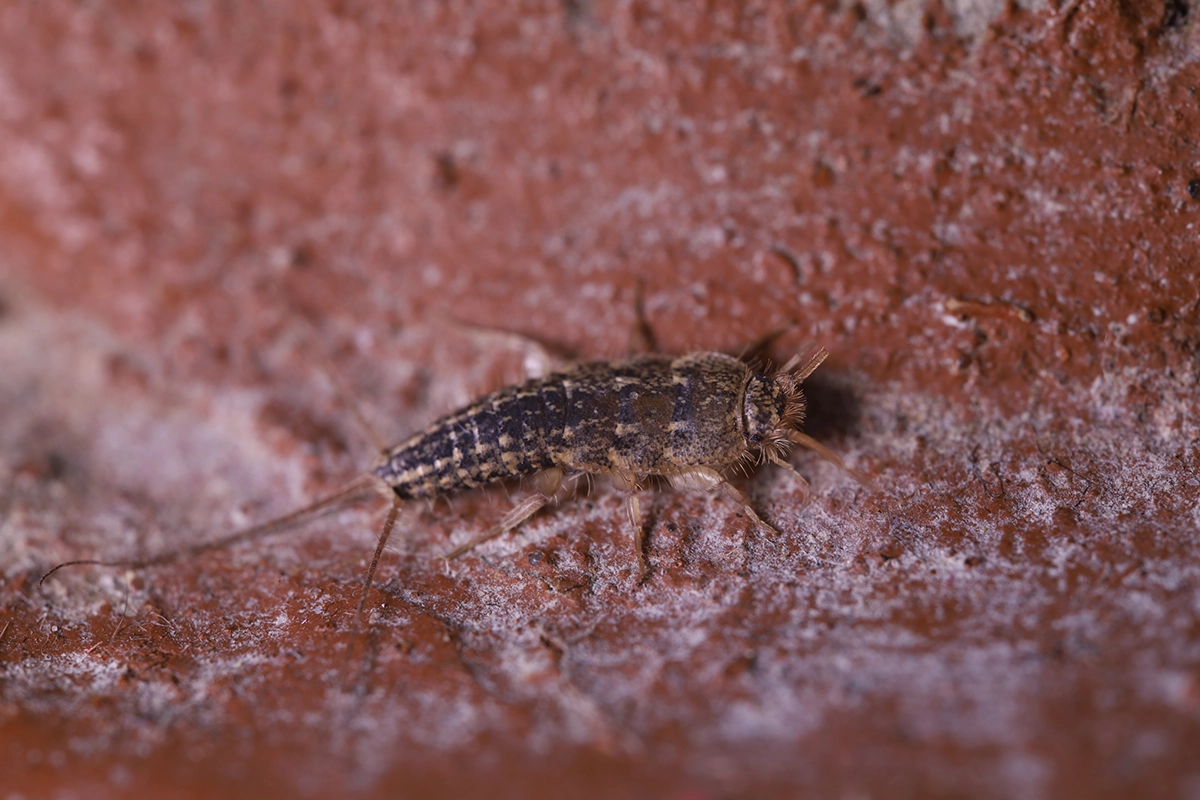
Silverfish thrive in humid environments, making Southeast Alaska homes particularly attractive to them. These small, silvery insects feed on paper products, fabrics, and adhesives.
Common hiding spots:
- Bathrooms
- Basements
- Attics
- Storage boxes
Damage they cause:
- Holes in books and documents
- Damage to clothing and wallpaper
- Contamination of stored items
Reducing indoor humidity and properly storing paper goods can help keep silverfish at bay.
How to Prevent Spring Pest Infestations
The best defense against spring pests is proactive prevention. Once pests establish themselves, they can be difficult to eliminate.
Top prevention strategies:
- Seal Entry Points
Inspect your home for cracks, gaps, and openings around windows, doors, and foundations. - Control Moisture
Fix leaks, improve drainage, and use dehumidifiers in damp areas. - Eliminate Food Sources
Store food in airtight containers and keep kitchens clean. - Maintain Outdoor Areas
Trim vegetation, remove debris, and keep firewood away from your home. - Schedule Regular Inspections
Professional inspections can identify problems before they escalate.
Why Professional Pest Control Matters
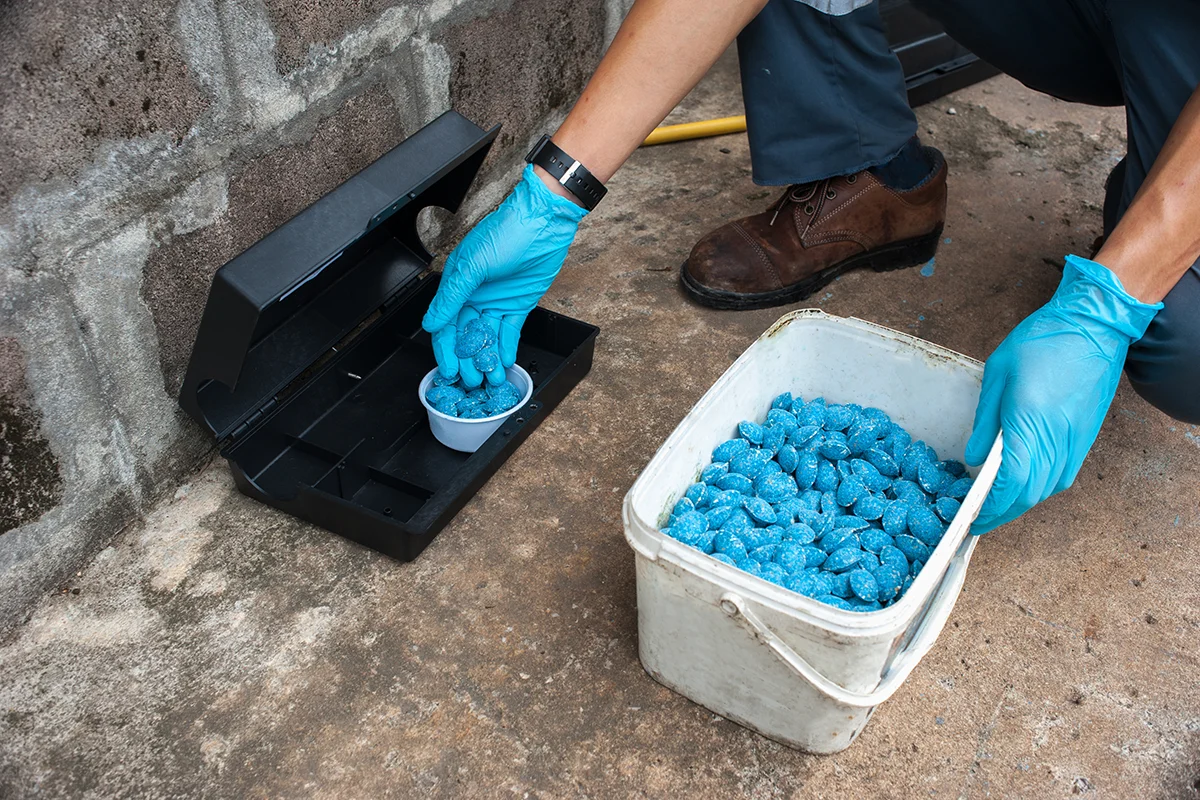
While DIY solutions can help with minor issues, many infestations require professional expertise. Pests like carpenter ants and rodents can cause significant damage if not properly treated.
Professional pest control services offer:
- Accurate identification of pest species
- Targeted treatment plans
- Long-term prevention strategies
- Safe and effective solutions
In a region like Southeast Alaska, where environmental conditions favor pest activity, having a reliable pest control partner can make all the difference.
Stay Ahead of Spring Pests
Spring in Southeast Alaska is a time of renewal, but it also brings a surge of pest activity that can quickly become overwhelming. From carpenter ants damaging wood to rodents invading homes and mosquitoes breeding in standing water, the risks are real and seasonal.
The key to staying pest-free is early action. By understanding what pests are active and taking preventative steps now, you can protect your home, your health, and your peace of mind throughout the season.
If you’re already noticing signs of pest activity, don’t wait. Addressing the problem early can save you time, money, and frustration as the season progresses. Contact Alaska Pest Management today to setup a preventative treatment plan now!