Thanksgiving brings extra groceries, busy kitchens, and plenty of leftovers. In Ketchikan, it also arrives during shorter days and colder weather, when checking your home for rodent activity deserves a place on the holiday preparation list.
A small opening around a pipe, food left within reach, or an overflowing garbage bin can give mice and rats opportunities around your home. With guests arriving and meals to prepare, those details are easy to overlook.
Before the holiday gets busy, take a few minutes to check food storage, look for warning signs, and inspect potential entry points. These habits help reduce the conditions that allow a rodent problem to develop or continue.
Why Rodent Prevention Matters During the Holidays

House mice may enter buildings as outdoor nights become colder. Once inside, sheltered spaces and accessible food can support ongoing activity. A warm pantry or cluttered storage area can provide what they need well beyond Thanksgiving weekend.
Holiday routines can also leave more food accessible than usual. Bags of baking supplies, snack bowls, pet food, and garbage from a large meal all deserve attention. Rodent prevention starts with reducing those opportunities and finding the openings that allow access.
You do not need to see an animal to have a reason to investigate. Droppings or gnaw marks may be the first indication that rodents have reached a cupboard, garage, or other part of the house.
Warning Signs to Watch For
Check pantry shelves, beneath sinks, along wall edges, and behind stored items when you can do so safely. Garages and storage rooms deserve attention too, particularly where pet food or birdseed is kept.
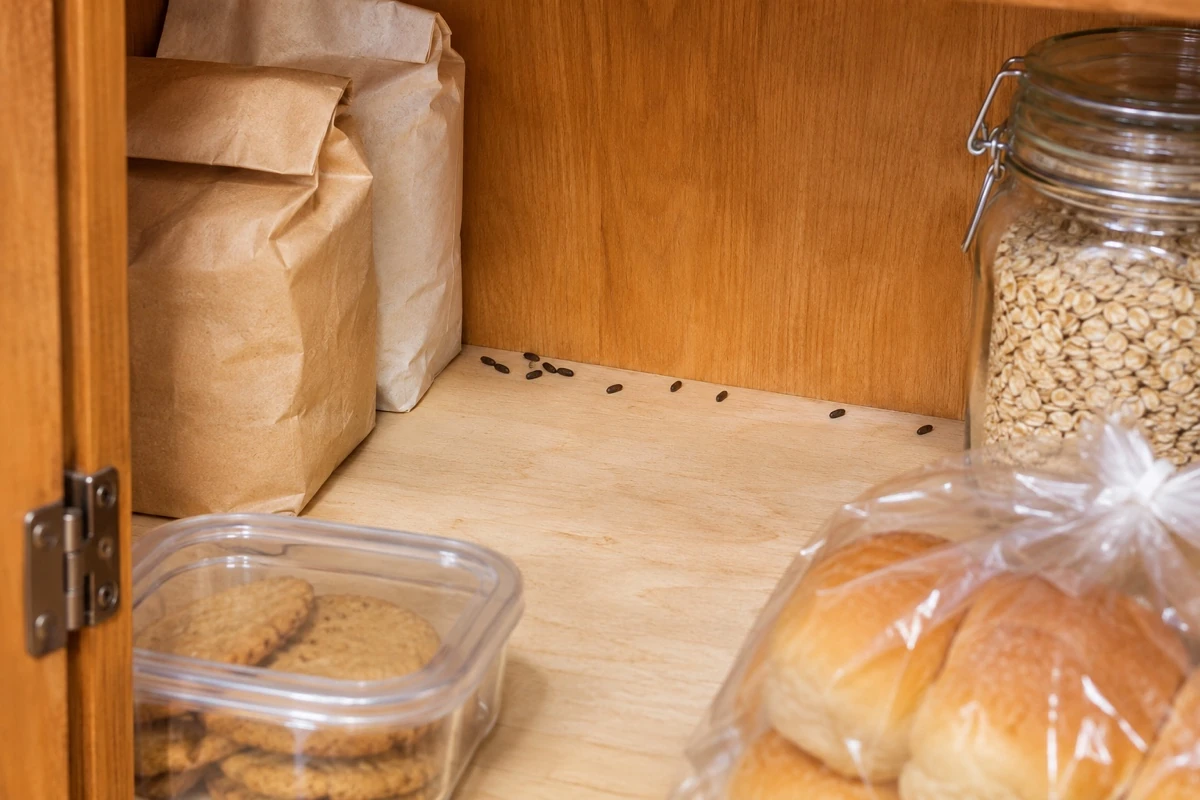
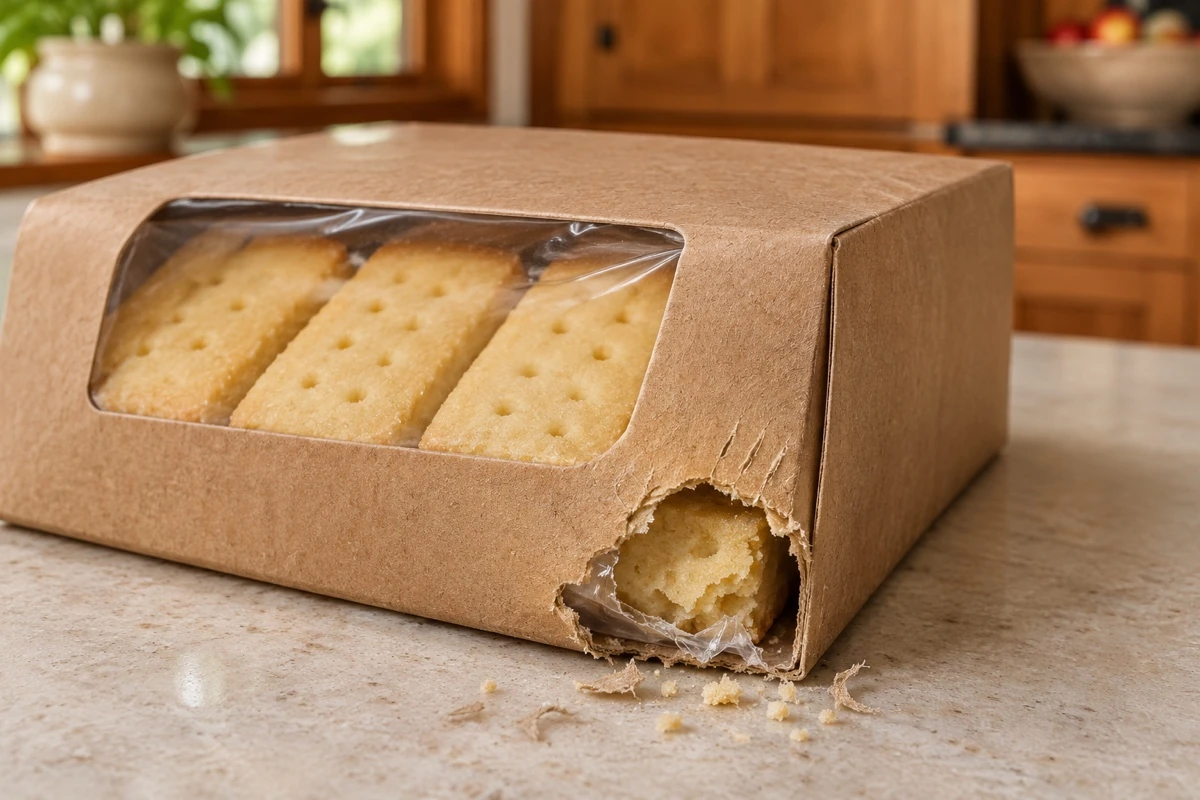
Signs that warrant a closer look:
- Small droppings in cabinets, drawers, or other sheltered areas
- Gnaw marks or holes in food bags, boxes, or other materials
- Shredded paper or similar material gathered in a protected spot
- An unexplained musky odor around enclosed storage spaces
- A mouse or rat seen inside the home or repeatedly near food and garbage outside
Old gnaw marks alone do not prove rodents are still active. New droppings appearing after proper cleanup are a stronger indication that activity is continuing. Note where you find evidence so an inspection can focus on those areas.
Keep Holiday Food and Leftovers Secure
Extra food should come with extra attention to storage. Keep dry goods in sturdy glass, metal, or thick plastic containers with fitted lids. Check packages before using them, and discard food in packaging that rodents have damaged or contaminated.
Make these steps part of holiday cleanup:
- Wipe up crumbs and spills, including beneath the dining table.
- Wash serving dishes and cooking utensils promptly.
- Put unused ingredients and snacks away when cooking and serving are finished.
- Store pet food securely and put uneaten food away after feeding.
Leftovers need timely refrigeration as well as protection from pests. Refrigerate perishable food within two hours, using shallow containers so it cools more quickly. Keep the refrigerator at 40°F or below, and use refrigerated leftovers within three to four days or freeze them for longer storage.
Making room in the refrigerator before Thanksgiving dinner helps avoid a crowded counter and a stack of leftovers waiting to be put away.
Pay Attention to Garbage, Pet Food, and Birdseed
Rodent prevention extends beyond the kitchen. Food scraps in an accessible garbage bag can attract attention outside, even when indoor counters are clean. A bag tied shut and set beside the back door is still vulnerable to chewing.
Put garbage inside a sturdy, intact container with a lid that closes fully. Avoid stacking excess bags beside it, and clean up spilled waste around the storage area.
Check garage supplies too. Pet food and birdseed should be kept in rodent-resistant containers with secure lids. Clean up spills rather than letting loose seed or kibble collect beneath shelves. Alaska’s Department of Fish and Game specifically identifies food waste, pet food, and birdseed as items to secure when preventing rat problems.
Find the Gaps Before Winter Settles In
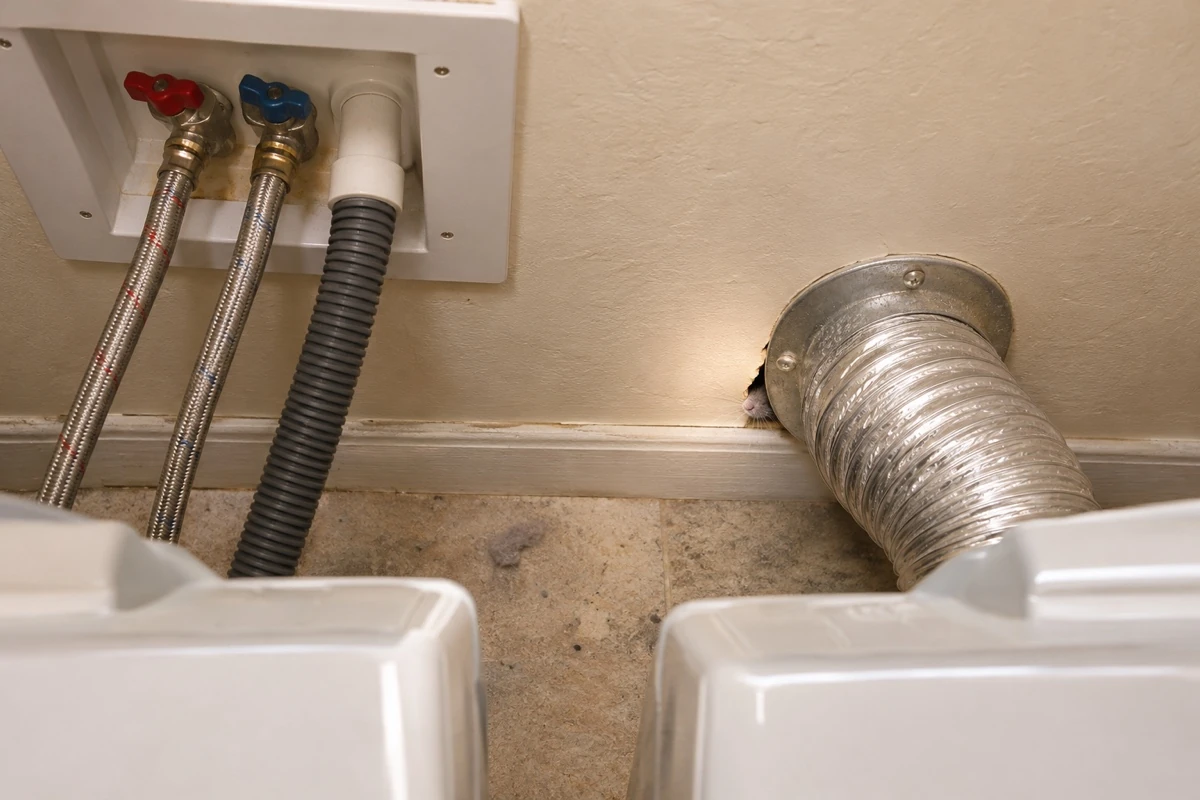
A mouse can enter through an opening about a quarter-inch across. An entry point does not have to look significant to be worth checking.
Include these areas in a home inspection:
- Openings around plumbing, cables, and other utility lines
- Gaps beneath exterior doors and garage doors
- Damaged vent screens and openings around crawl spaces
- Accessible cracks or gaps where building materials meet
Use suitable rodent-resistant repair materials, such as metal mesh or flashing. Expanding foam alone is not a dependable barrier against chewing mice. Keep required ventilation clear, and ask for help if the correct repair is uncertain.
Fix leaks and reduce clutter in storage areas as part of the same effort. If rodents are already inside, entry-point repairs should be part of a broader control plan. Sealing gaps and cleaning up food do not establish that an existing infestation has been resolved.
Clean Up Rodent Evidence Safely
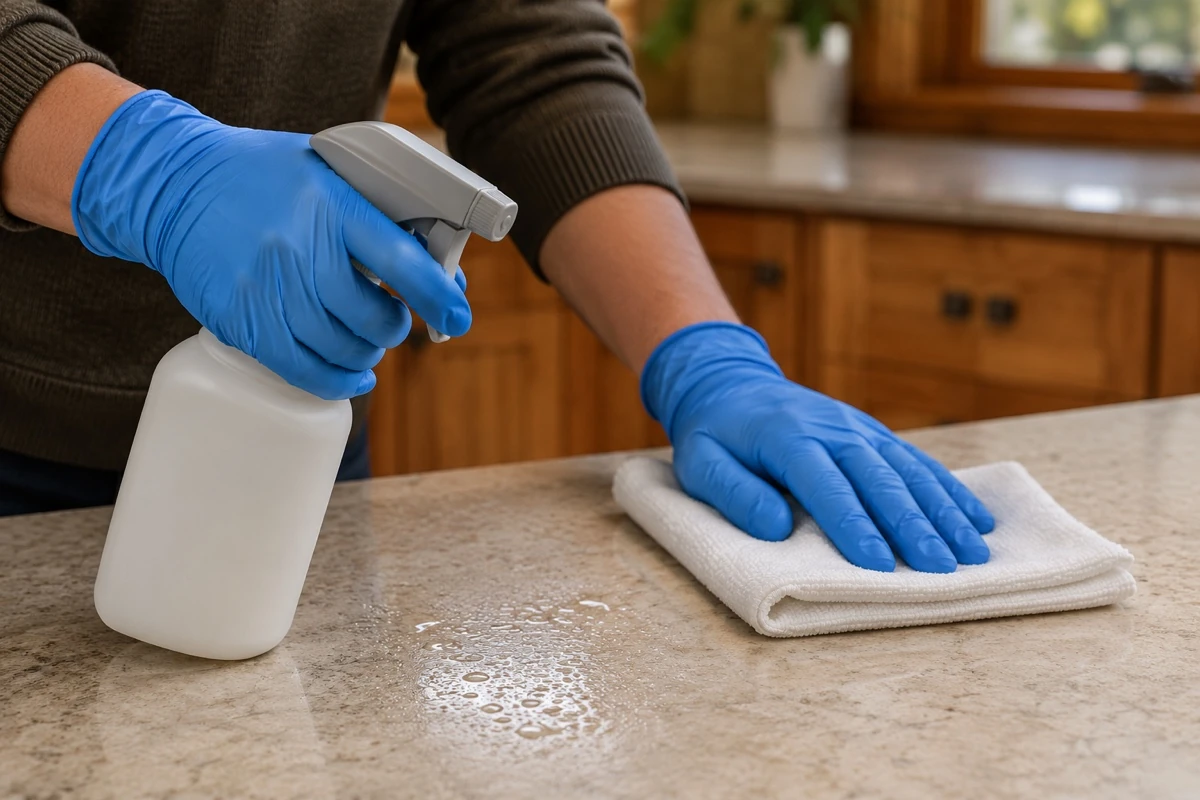
Do not sweep or vacuum rodent droppings, urine, or nesting material. That can disturb contaminated dust. Keep children and pets away from the affected area while you arrange cleanup.
CDC guidance recommends ventilating the space for 30 minutes and staying out while it airs. Wear rubber or plastic gloves, thoroughly wet droppings with an EPA-registered disinfectant, and allow five minutes or the contact time specified on the label before wiping them up with paper towels.
Place used towels in a covered garbage container, disinfect the affected surfaces, and wash your gloved hands before removing the gloves. Wash your hands again afterward. Heavy contamination or evidence in hard-to-reach spaces calls for additional precautions and professional guidance.
Address Rodent Activity Before It Becomes a Winter Problem
Good storage and regular cleanup help reduce rodent opportunities, but an established problem may also require trapping, entry-point repairs, and follow-up checks. Repeated sightings, new droppings, or continued damage are reasons to act rather than wait until the holidays are over.
If you have noticed signs of mice or rats in your Ketchikan home, Alaska Pest Management can help you assess the problem and discuss appropriate next steps.
Contact Alaska Pest Management and tell us where you have seen activity or damage. Our team can help you plan rodent control and prevention for the holiday season and the colder months ahead.