Winter in Sitka brings cold air, heavy moisture, and long dark days. While homeowners prepare for storms and freezing temperatures, another seasonal issue quietly intensifies behind the scenes. Pests begin searching for warmth, shelter, and food. Homes in Southeast Alaska become prime targets.
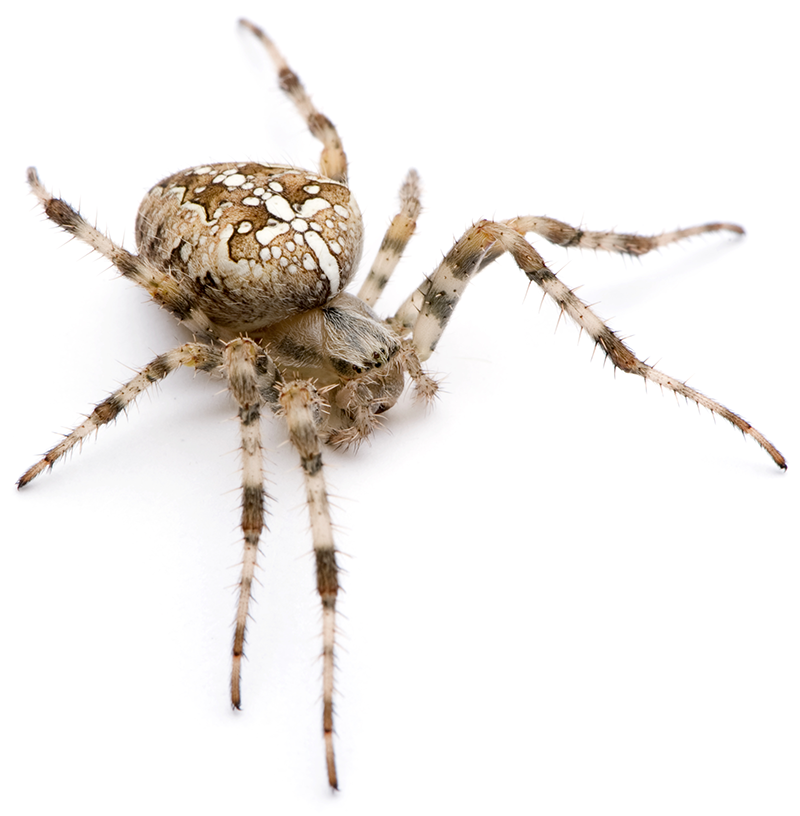
Rodents, carpenter ants, spiders, and other winter pests can remain hidden for weeks or months before their presence becomes obvious. By the time damage is visible, the problem is often more advanced than homeowners realize.
This guide outlines the most common signs of winter pest activity Sitka homeowners should never ignore and what to do when those warning signs appear.
Why Winter Drives Pests Indoors in Sitka
Sitka’s wet coastal climate, wooded surroundings, and older construction styles create ideal conditions for winter pest activity. As temperatures drop, pests that normally live outdoors seek protected spaces with steady warmth. Homes provide ideal shelter.
Wood framing, crawlspaces, basements, attics, plumbing access points, and foundation gaps all create hidden pathways inside. Moisture from rain and condensation also attracts insects that thrive in damp environments.
Once pests enter, they rarely leave until removed.
The Most Common Winter Pests in Sitka Homes
Certain pests become far more active indoors during winter months:
- Mice and rats
- Carpenter ants
- Moisture-loving insects
- Cockroaches and overwintering insects
- Hitchhiking pests brought in on luggage, boxes, or furniture
Each of these pests leaves behind distinct warning signs that homeowners should recognize immediately.
Clear Warning Signs of Winter Pest Activity
Rodent Droppings, Nesting Material, or Chew Marks
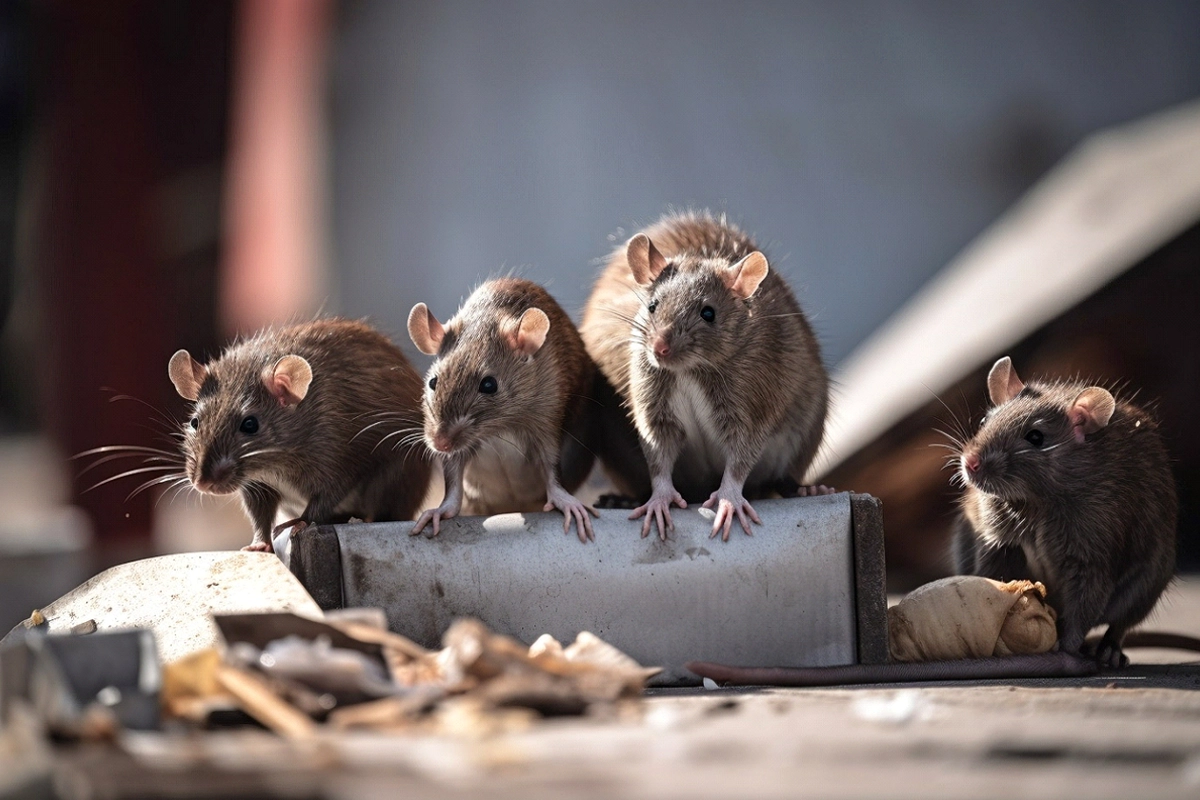
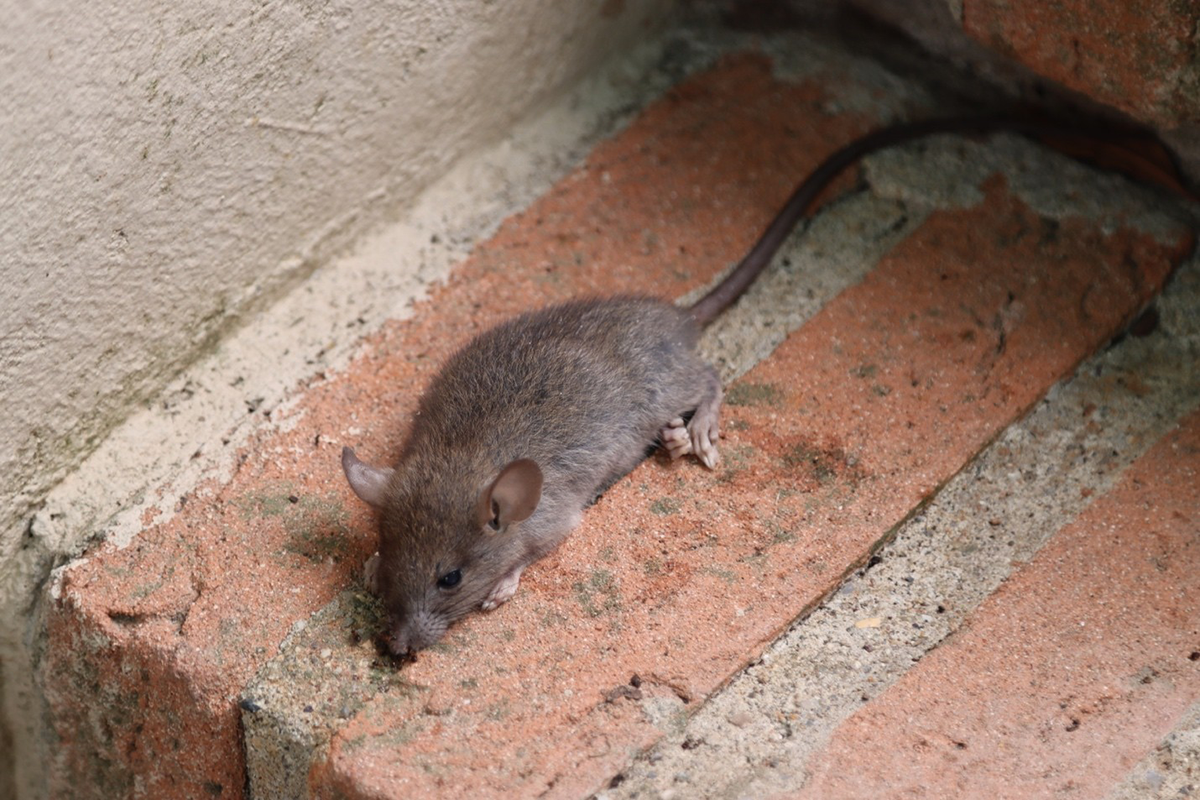
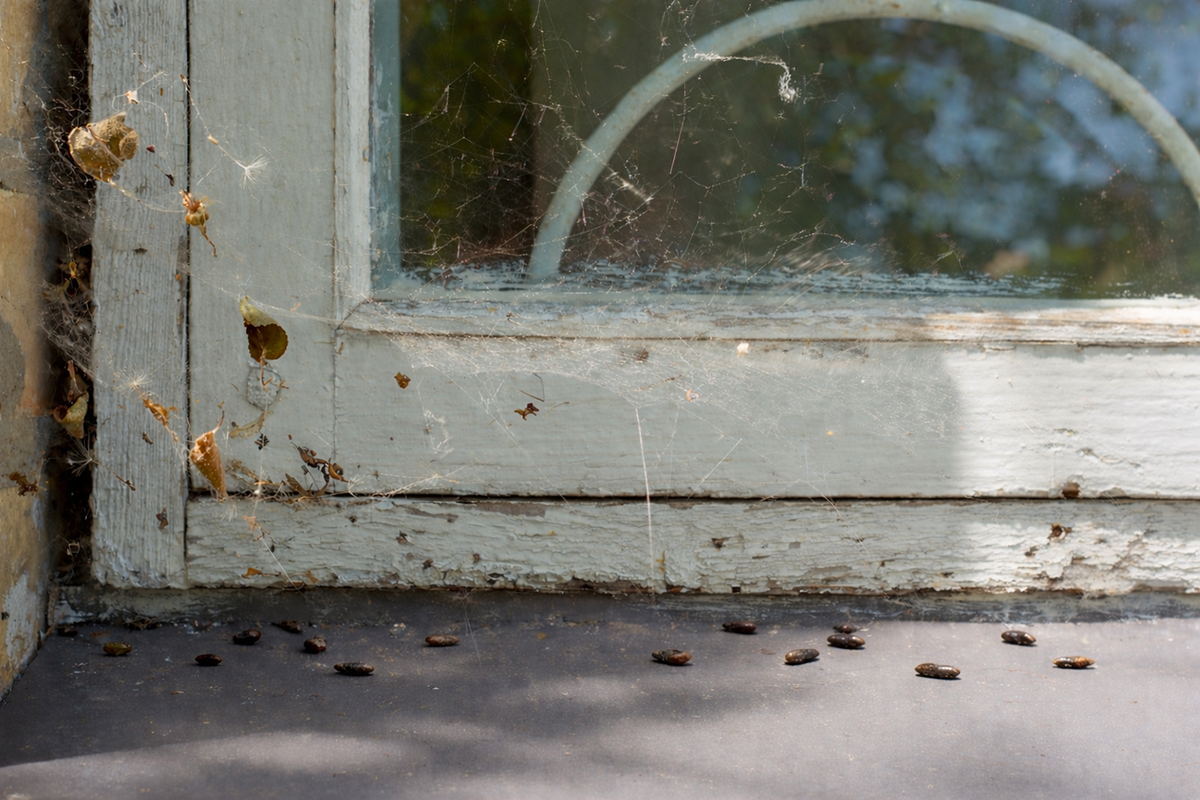
Rodents are among the most dangerous winter pests due to their ability to spread disease, damage wiring, and destroy insulation. Small dark droppings along baseboards, inside cabinets, near pantries, or in storage areas are serious warning signs.
Additional red flags include:
- Chewed food packaging
- Gnawed wood or wires
- Shredded paper, fabric, or insulation used as nesting material
If these signs appear, rodents are already established inside the home.
Scratching, Scurrying, or Movement Sounds at Night

One of the earliest signs a homeowner notices is sound. Scraping noises inside walls, buzzing in ceilings, or scurrying under floors usually indicate rodents or insects nesting inside void spaces.
These sounds often occur during late night and early morning when the home is quiet.
Sawdust or Fine Wood Shavings Near Wooden Structures
Carpenter ants do not eat wood, but they tunnel through it to build nests. As they excavate, they push out fine sawdust known as frass. Finding sawdust near windowsills, door frames, trim, or at the base of walls strongly suggests carpenter ant activity.
This type of damage can continue unseen inside walls for months before structural issues appear.
Large Ant Sightings or Winged Ants Indoors During Winter
Seeing large black ants inside during winter almost always indicates active nesting inside the structure. Winged ants or discarded wings near windows or baseboards also signal reproductive colonies. Unlike summer ant activity, winter sightings are not accidental.
Cockroach Signs or Musty Odors
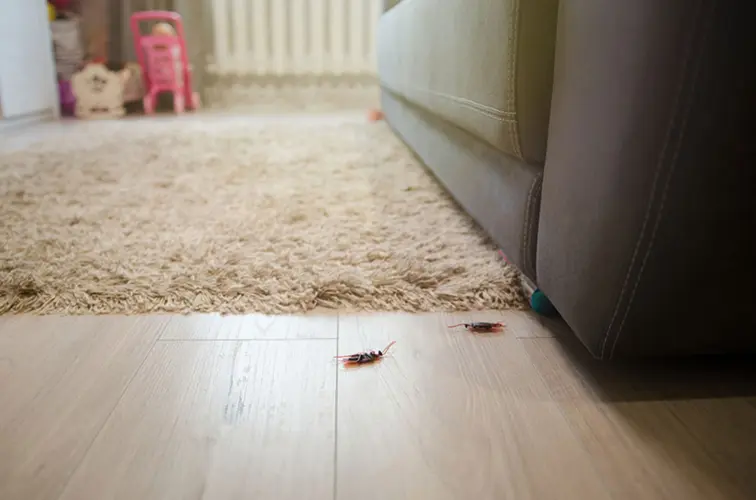
Cockroaches thrive in warm, damp indoor environments and remain active year-round once inside. Signs of roach activity include:
- Musty or oily odors
- Dark droppings near appliances or sink cabinets
- Rare but alarming sightings at night
These pests reproduce rapidly and require prompt professional attention.
Moisture Damage, Leaks, or Damp Wood
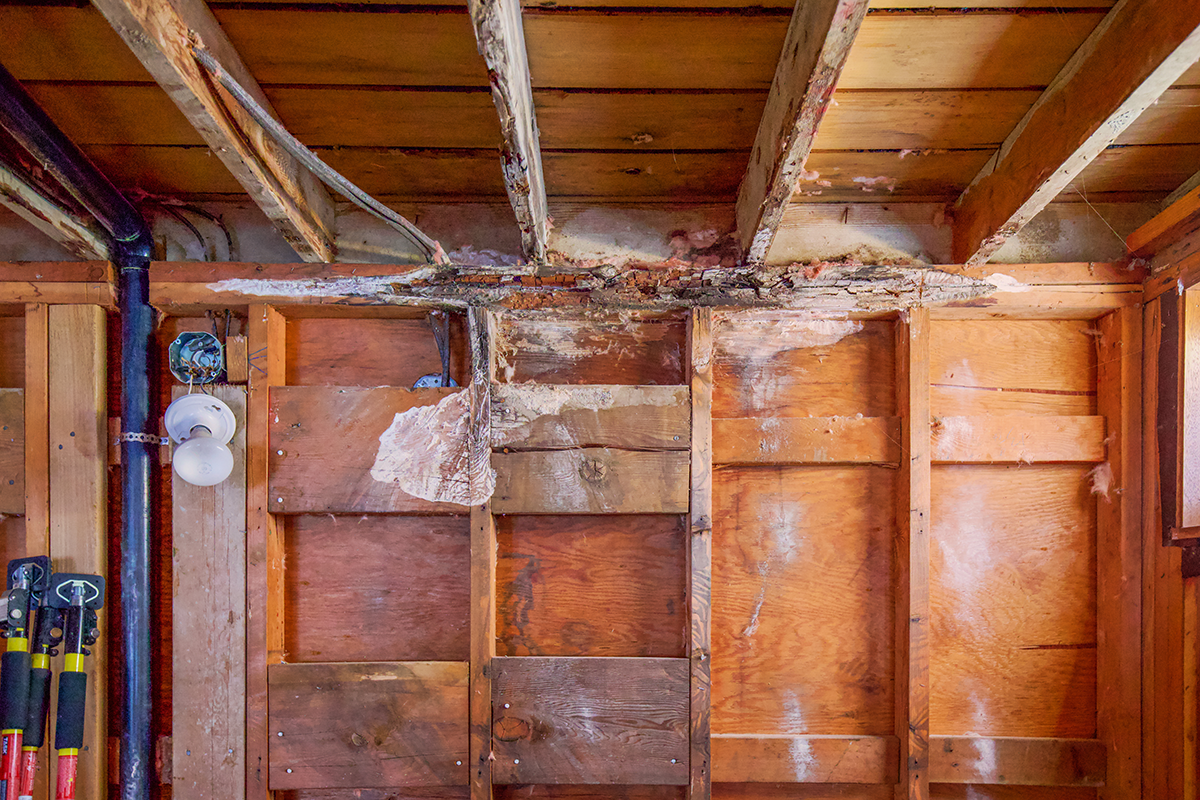
Water is one of the strongest pest attractants in Southeast Alaska. Damp wood makes homes highly vulnerable to carpenter ants and moisture insects. Ongoing leaks, condensation buildup, or soft wood near plumbing should always be addressed immediately.
Moisture problems invite pests and conceal damage at the same time.
Why Ignoring These Signs Can Become Costly
Winter pest problems escalate quietly. By spring, a minor issue can evolve into:
- Electrical fire hazards from chewed wiring
- Structural wood damage from carpenter ants
- Insulation contamination from rodents
- Health risks from droppings and allergens
- Widespread infestations that require larger treatments
Early detection saves money, stress, and repair costs.
What Sitka Homeowners Should Do Immediately

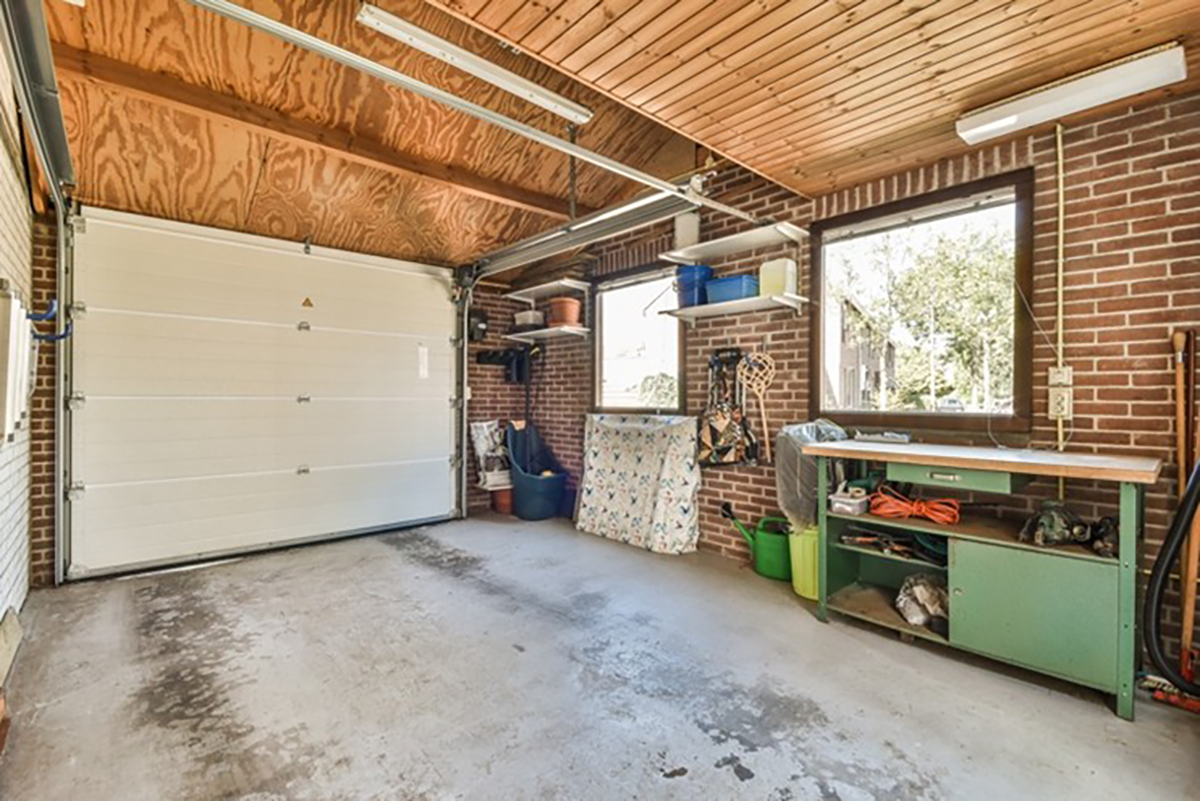
Inspect regular trouble areas: Crawlspaces, attics, basements, pantries, behind appliances, and wall voids.
Seal gaps and entry points: Even small openings around pipes and vents invite pests.
Control moisture: Repair leaks promptly and improve ventilation.
Reduce clutter: Storage piles become nesting sites.
Secure food sources: Pet food, trash, and pantry items must be tightly sealed.
Monitor monthly: One inspection per season is often not enough.
When Professional Help Becomes Necessary
If you observe:
- Recurring droppings despite cleaning
- Ongoing movement noises in walls
- Repeated carpenter ant sightings
- Widespread spider or roach activity
Moisture damage combined with insect activity
Professional intervention is strongly recommended. Winter infestations rarely solve themselves.
Your Home Should Be a Place of Comfort During Winter, Not a Refuge For Pests
Winter pests in Sitka do not wait for spring. By the time activity becomes obvious, the infestation is often well established. Recognizing early signs and responding quickly is the most effective way to protect your home.
If you suspect winter pest activity, professional inspection and treatment can prevent long-term damage and eliminate the issue safely. Contact us today for a winter pest inspection!