Your dumpster area has turned into a minefield. Employees are avoiding it, customers are noticing, and every time someone opens the lid, a handful of wasps come pouring out. If this sounds familiar, you’re dealing with one of the most predictable and most avoidable fall pest problems Southeast Alaska businesses face every year.
Late summer into fall is peak wasp season, and commercial dumpster and garbage areas are one of their favorite places to be. For businesses, that’s not just an annoyance. It’s a liability, a customer experience problem, and in food service settings, a potential health code issue. Here’s why it happens every year around this time, and what your business needs to do about it before it gets worse.
Why Wasps Swarm Dumpsters and Garbage Areas in Fall
Wasp colonies operate on an annual cycle and understanding that cycle explains exactly why late summer and early fall bring the worst of it.
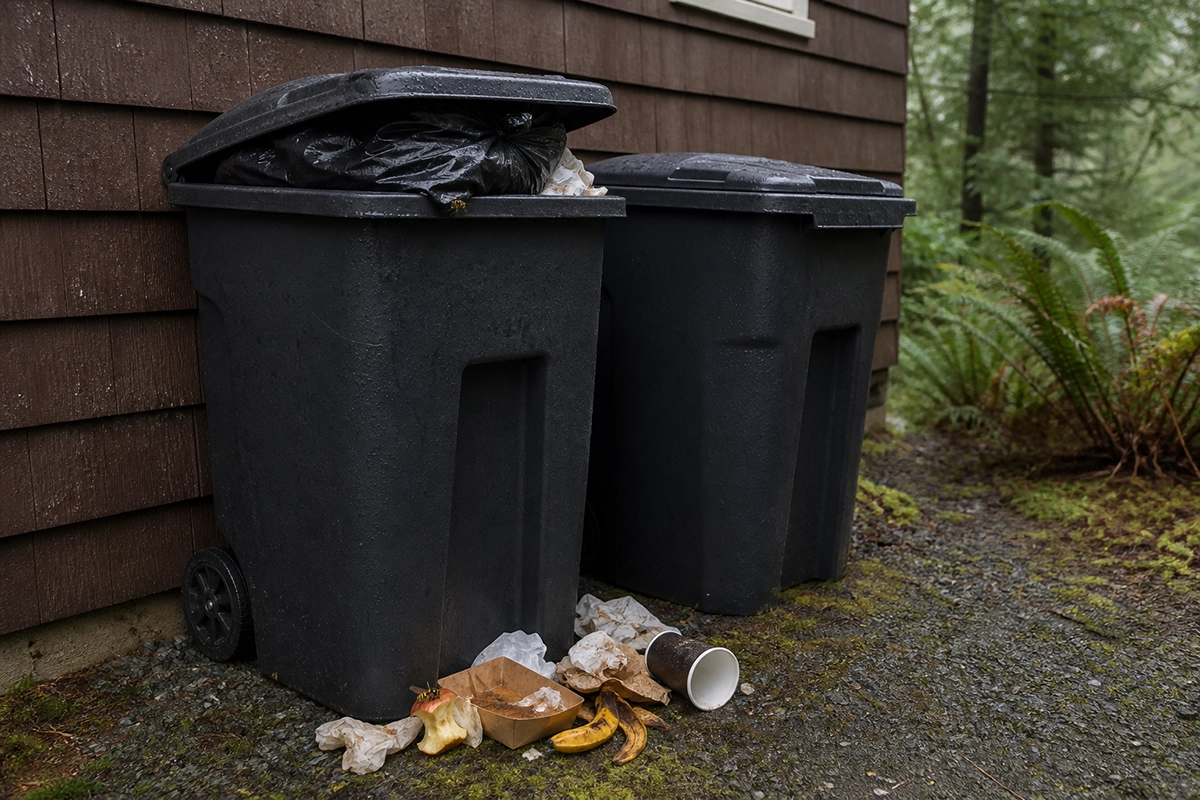
Here’s what’s driving the surge:
- Colonies are at peak size. A wasp nest that started small in spring has spent the whole summer growing, and by fall it’s at its largest population of the year, meaning far more foraging workers out looking for food.
- Their diet shifts toward sugar. Earlier in the season, worker wasps are focused on protein to feed larvae. By late summer, that need drops off and wasps shift toward sugary food sources, which is exactly what’s sitting in your dumpster: soda cans, food waste, and anything sweet or fermenting.
- Natural food sources are declining. As flowers and other natural sugar sources start to disappear heading into fall, wasps become more aggressive about finding alternative food, and a commercial garbage area is often the easiest target around.
- Wasps become more defensive. As the season winds down, wasps tend to be more aggressive and quicker to sting, especially when their food source is disturbed by someone opening a dumpster lid or walking too close to a nest.
For a business, this creates a perfect storm right around a high-traffic area that employees, delivery drivers, and sometimes customers interact with daily.
The Real Risk to Your Business
A wasp problem around a dumpster isn’t just uncomfortable. It carries real operational and liability risk, especially for restaurants, hospitality properties, and any business with regular foot traffic near garbage or loading areas.
What’s actually at stake:
- Employee safety. Staff taking out trash or handling deliveries are at direct risk of stings, and repeated exposure increases the chance of an incident, especially for anyone with an allergy.
- Customer experience. Visible wasp activity near an entrance, patio, or parking area is one of the fastest ways to make customers uncomfortable, and it’s the kind of thing people mention in reviews.
- Health code exposure. For restaurants and food service businesses, pest activity near garbage or food-handling areas can become a compliance issue during inspections.
- Liability exposure. A sting incident on your property, particularly involving a customer or someone with an allergy, can turn into a liability claim far more costly than the pest control itself.
Waiting until a nest is fully established near your building means dealing with all of this at the worst possible time, right as fall foot traffic and deliveries are still in full swing.
Where Nests Tend to Show Up Around Commercial Properties
Wasps look for sheltered, elevated, or hidden spots close to a reliable food source, which makes commercial dumpster and garbage areas especially attractive real estate.
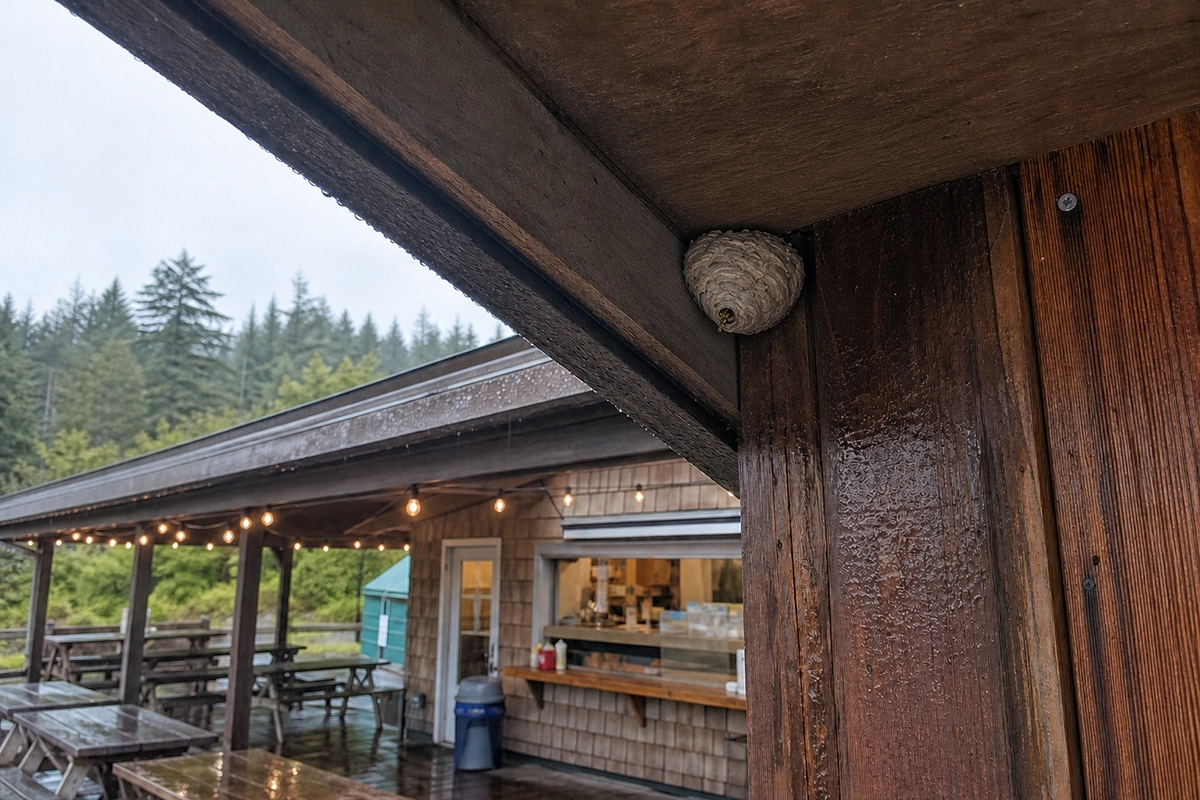
Common nesting spots to check around your property:
- Underneath dumpster lids, enclosures, or corrals
- Eaves, overhangs, and rooflines near loading docks
- Gaps in siding, signage, or exterior structural elements
- Inside or under outdoor seating areas, patios, and umbrellas
- Utility boxes, meters, and other undisturbed exterior fixtures
Because wasp nests can grow quickly once established, a small nest that goes unnoticed in August can become a much larger, more aggressive colony by the time October rolls around.
Fall Pest Control Steps Every Southeast Alaska Business Should Take
Getting ahead of wasp activity around garbage areas takes a mix of maintenance changes and, in many cases, professional treatment, especially once a nest is already established.
What your team can do right now:
- Keep dumpster lids fully closed at all times, not just “mostly closed”
- Rinse out sugary or food-residue containers before disposal when possible
- Keep the area around dumpsters and garbage corrals free of standing debris or spilled waste
- Inspect eaves, signage, and structural gaps near garbage and loading areas regularly
- Train staff to report wasp activity immediately rather than trying to handle it themselves
These steps reduce what’s attracting wasps in the first place, but they won’t remove an existing nest. Disturbing a nest without the right equipment and treatment is one of the most common ways employees end up getting stung.
Why DIY Wasp Removal Is a Risk for Businesses
It’s tempting to grab a can of spray and handle a nest quickly, but for a commercial property, that approach carries more risk than it’s worth.
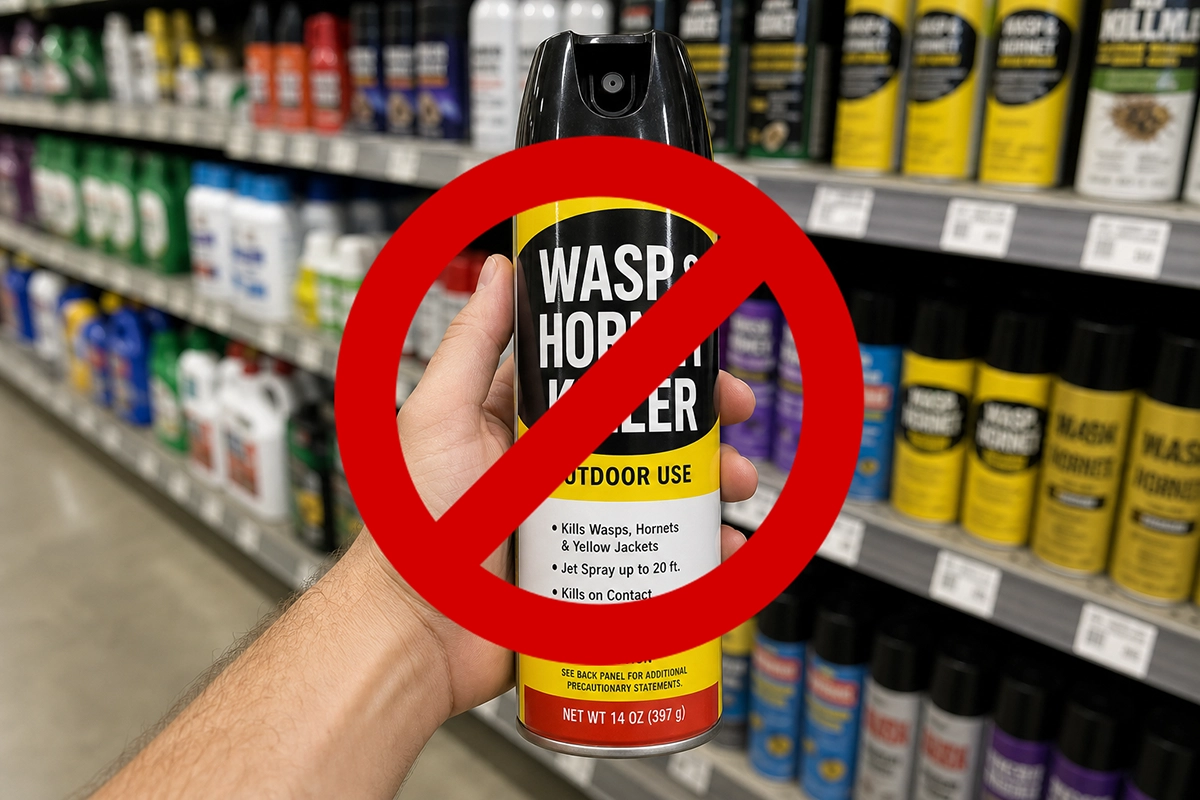
The problems with DIY treatment:
- Store-bought sprays often only address visible wasps, not the full nest, leading to a rebound in activity within days
- Disturbing a nest incorrectly can trigger a defensive swarm, putting whoever’s handling it, and anyone nearby, at real risk
- Nests in wall voids, signage, or structural gaps are often larger and harder to fully reach than they appear from the outside
- A partial treatment can make a colony more aggressive without actually resolving the underlying problem
For a business, that risk isn’t just physical. An employee getting stung while attempting a DIY fix, or a customer encountering active wasps because a nest wasn’t fully treated, can turn a manageable pest issue into a liability situation.
How Professional Treatment Protects Your Business
A proper commercial wasp treatment goes beyond just knocking down a visible nest.
What a professional inspection and treatment should include:
- A full property inspection to locate active nests, not just the obvious ones
- Identification of what’s attracting wasps to garbage and dumpster areas specifically
- Treatment that addresses the full nest, not just visible activity
- Recommendations to reduce future risk around waste and loading areas
- Ongoing service options to catch new activity before it becomes a repeat problem
As the leading pest control company in Southeast Alaska with over 30 years of experience, we work with restaurants, hospitality properties, and commercial businesses throughout the region every fall to get ahead of exactly this problem, before it becomes a safety incident, a bad review, or a health code flag.
Don't Let It Wait Until Someone Gets Stung
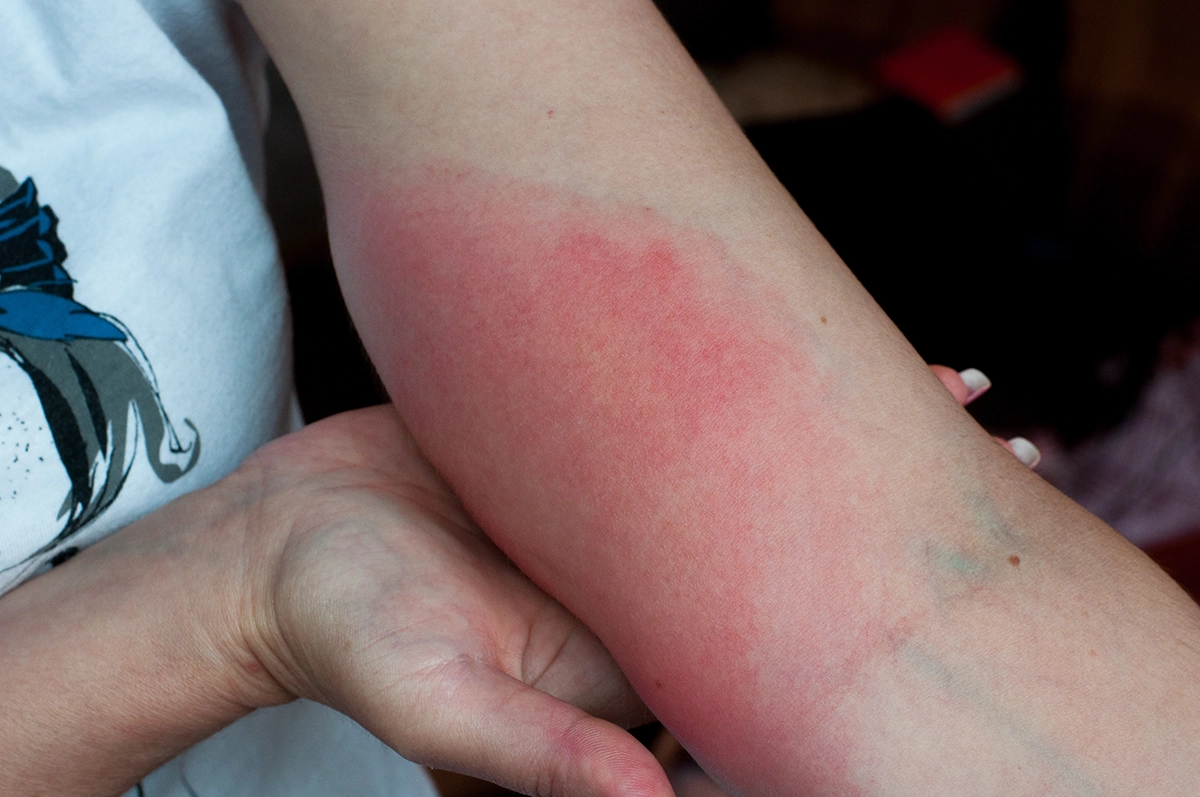
Wasp activity around garbage and dumpster areas is one of the most predictable seasonal pest issues Southeast Alaska businesses face, and it’s also one of the most preventable, if it’s addressed early. Waiting until a nest is fully established, or until an employee or customer has a bad encounter, means dealing with the problem under far worse circumstances than if it were handled now.
If wasps have taken over your dumpster area or garbage corral, don’t wait for it to escalate. Our team offers thorough commercial inspections and targeted treatment built specifically for Southeast Alaska businesses, along with ongoing subscription service plans to keep seasonal pest activity from becoming a recurring issue year after year.
Wasps swarming your garbage area? Contact Alaska Pest Management today for a commercial pest inspection before it becomes a safety or liability problem.