If you live in Ketchikan, you know what October brings. Shorter days, colder nights, and rain that never really lets up. While you’re pulling out the Xtratufs and stacking firewood, something else is changing around your house, and a lot of it is happening inside your walls.
As the temperature drops across Southeast Alaska, the pests that spent all summer outside start looking for somewhere warm and dry to ride out the winter. Your house is the obvious choice. There’s insulation to nest in, crawl spaces nobody checks, food in the pantry, and a roof that keeps the rain off. From a mouse’s point of view, that’s a pretty good deal.
Here’s the tricky part. Most people don’t realize anything is wrong until the problem is already well established. By the time you hear scratching in the ceiling or find egg sacs tucked behind the water heater, those pests have usually been living there for weeks, sometimes longer.
So before winter really settles in, here are the three indoor pests we see most often in Ketchikan homes this time of year, how to catch them early, why local houses attract them, and what to do if you find them.
Why Ketchikan Homes Are Especially Vulnerable
Our climate is a big part of the story. Ketchikan gets well over 100 inches of rain a year, which puts it among the wettest towns in the country. All that moisture creates exactly what pests are looking for: damp crawl spaces, soft or rotting wood, and humid attics and basements.
Then factor in how many homes here are older, sit right up against the trees, or are built near the water. Put that together with falling temperatures, and pests aren’t just looking for any shelter. They’re looking for yours. That’s why October matters so much for prevention. Once a pest finds a comfortable spot indoors, it has very little reason to leave before spring.
Here’s what to keep an eye out for as the weather turns.
Rats & Mice
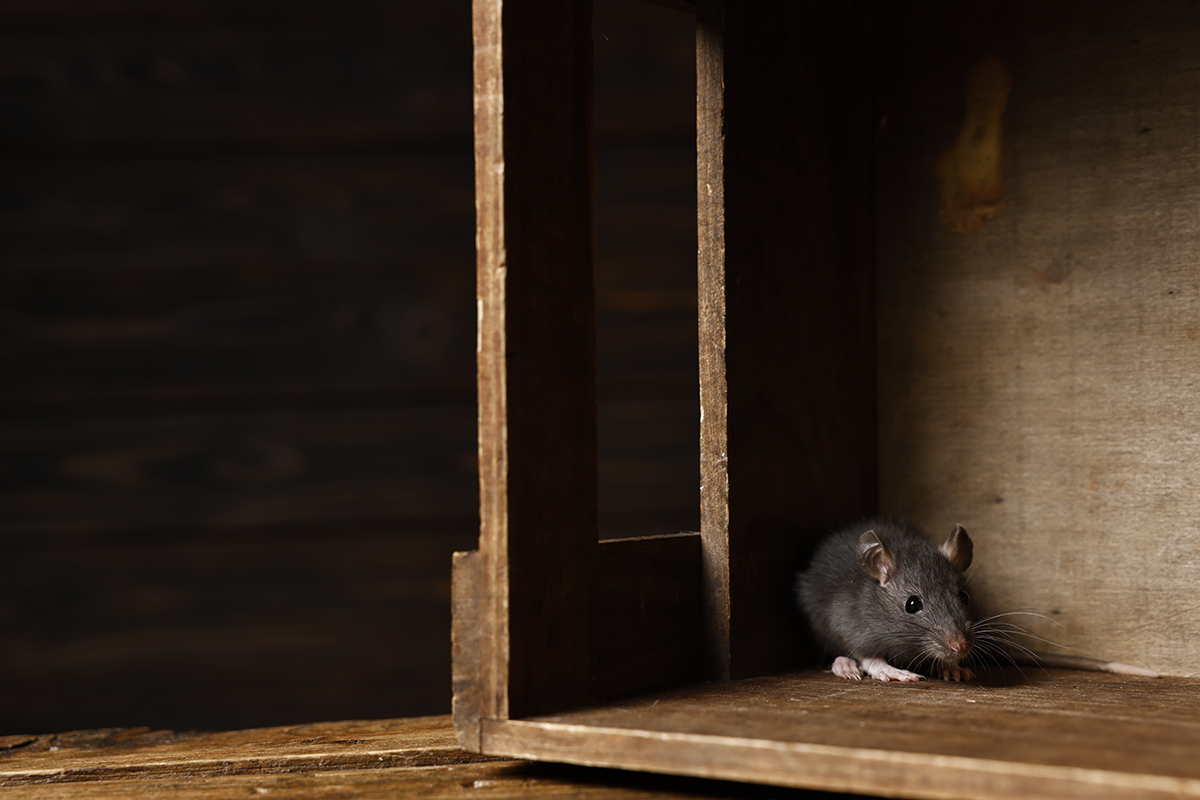
If we had to name the most common cold-weather invader in Southeast Alaska, it’s rodents, and Ketchikan is no different. When it gets cold, rats and mice go looking for shelter, and homes near the woods, on the waterfront, or in older neighborhoods tend to get their attention first.
They don’t need much room to get in, either. A mouse can fit through a gap about the size of a dime, and a rat can get through an opening around the size of a quarter. Gaps around plumbing, vents, garage doors, and foundation cracks all count. In a place as wet as Ketchikan, where wood swells, shrinks, and breaks down over time, those little openings are more common than most people think, and you usually won’t spot them unless you go looking.
Signs you might have rodents:
- Small, dark droppings along baseboards, in cabinets, or under sinks
- Scratching or scurrying sounds in walls, attics, or crawl spaces, especially at night
- Gnaw marks on wood, wiring, or food packaging
- A stale, musky smell in closed-up or rarely used spaces
- Greasy smudge marks along walls where they travel the same route over and over
- Shredded paper, fabric, or insulation used as nesting material
Rodents are more than a nuisance. They chew through electrical wiring, which is a real fire risk. They contaminate food and surfaces with droppings and urine, and they can carry parasites and disease. They also breed fast. A single pair of mice can turn into dozens in just a few months, so a small problem in October can be a full-blown infestation by spring. It usually starts with “I think I heard something in the attic.” By February, there’s a whole family living in your walls rent-free.
Spiders
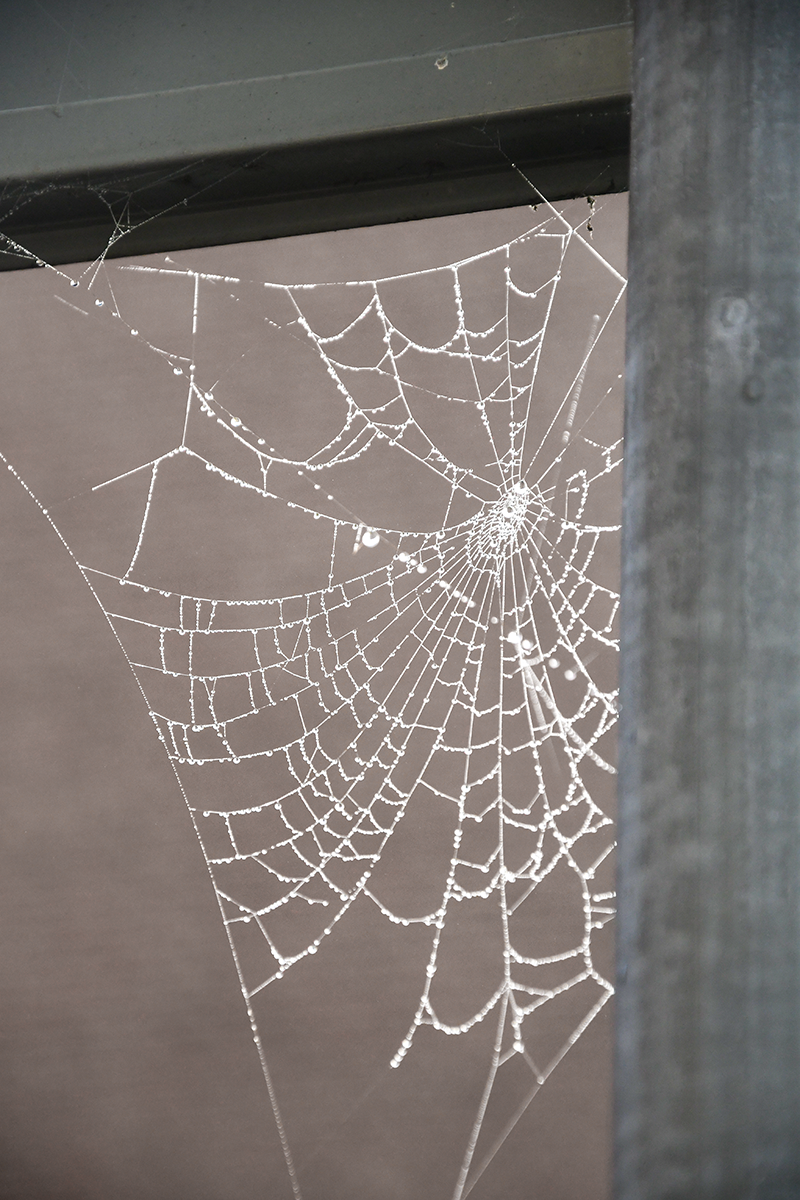
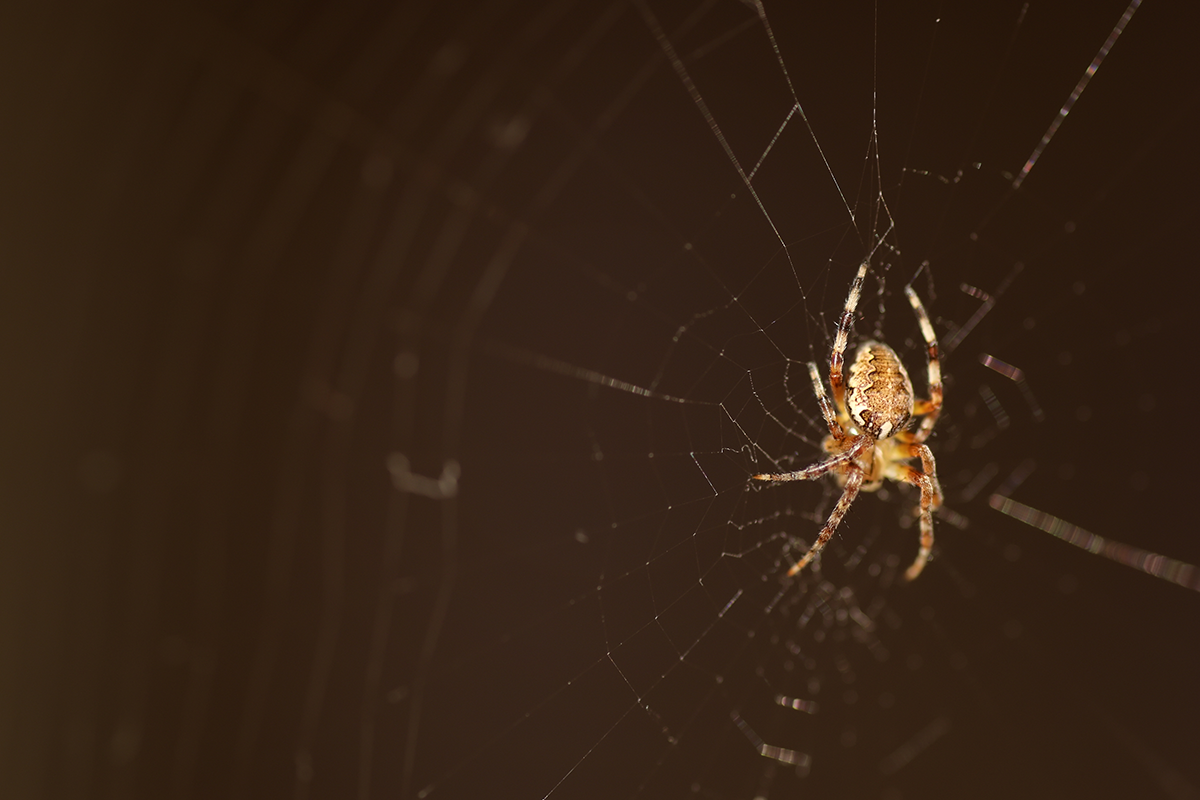
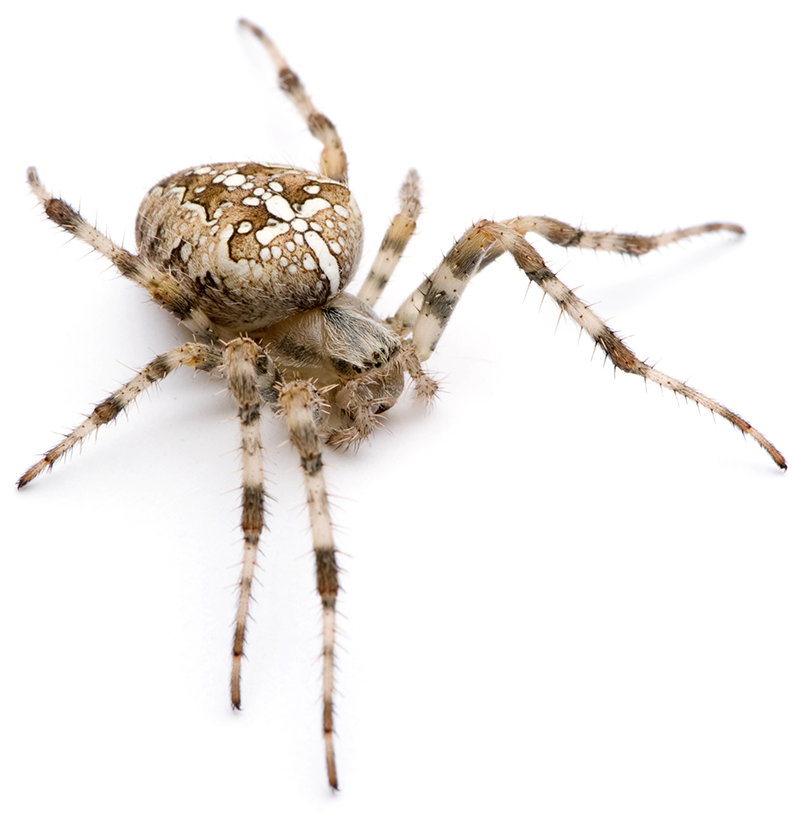
Spiders are around all year in Southeast Alaska, but fall is when most people start noticing more of them inside. Part of that is spiders coming in from the cold as the insects they feed on die off outdoors. Part of it is mature males wandering around looking for a mate this time of year. Either way, they end up in warm, quiet spots where nobody bothers them, like basements, garages, closets, attics, and the dark corners behind furniture and storage boxes.
The good news is that most spiders you’ll find in Ketchikan homes are harmless. The ones that worry people down south, like brown recluses and black widows, aren’t established in Southeast Alaska. Still, it’s worth paying attention when you start seeing more of them. Spiders go where the food is, so a noticeable jump in spider activity often means other insects have already made their way inside too.
What to look for:
- Webs forming in corners, closets, window frames, or crawl spaces
- An uptick in spider sightings, especially in basements or storage areas
- Egg sacs tucked into undisturbed areas, which signal a growing population rather than just a stray visitor
- More activity near lights, doors, and windows where other insects get in
Even if they’re harmless, nobody wants a surprise when they reach into the box of Christmas decorations in December. Sealing up entry points, cutting down on clutter in storage areas, and knocking down webs regularly this month makes a real difference before the cold pushes more of them indoors.
Carpenter Ants
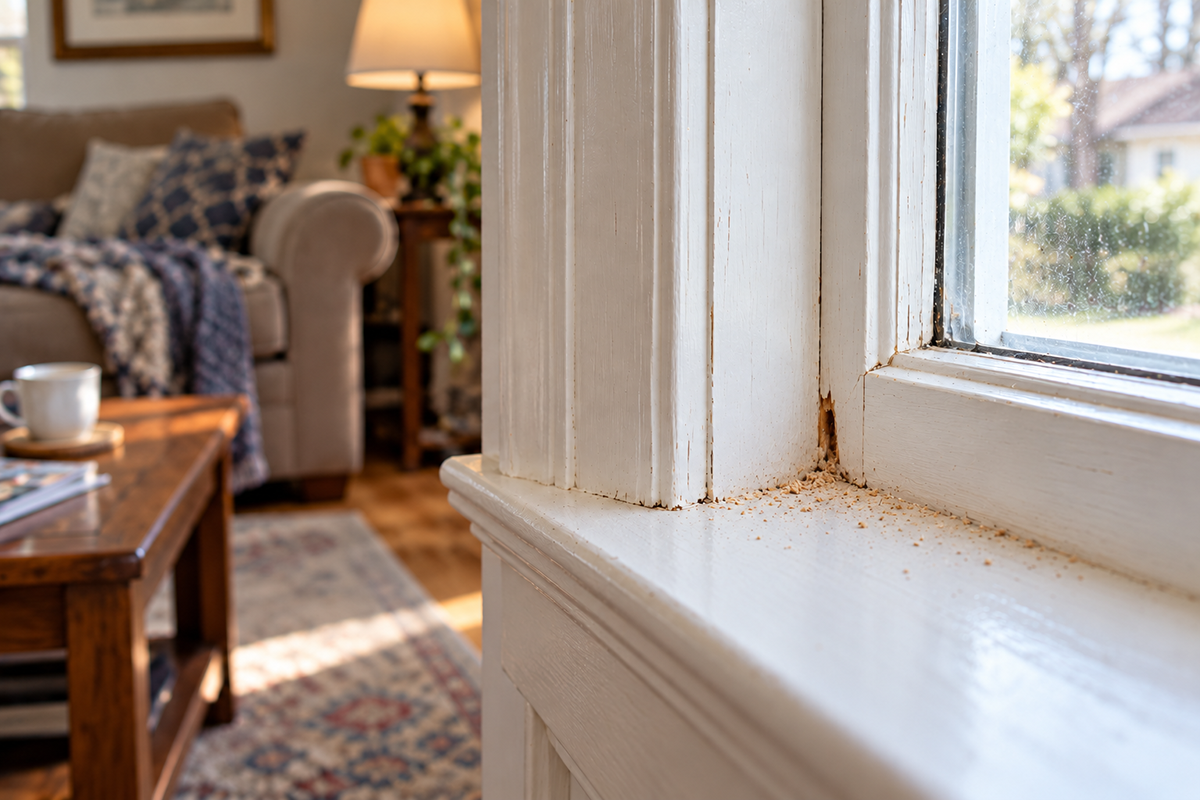
Carpenter ants are one of the most destructive pests homeowners deal with in Southeast Alaska, and fall is a good time to check for them. Unlike termites, they don’t actually eat wood. They hollow it out to build their nests, and over time that can do serious structural damage, especially in houses that already have moisture problems. In Ketchikan, that’s a lot of houses.
Outdoors, carpenter ant activity slows way down once it gets cold. A colony that’s set up inside a warm wall or next to a leaky pipe is a different story, and it can stay active right through the winter. They prefer wood that’s already damp or softened, so take a close look around leaky plumbing, window frames, decks, porches, and crawl spaces. Colonies grow slowly and can take a few years to mature, which is why a lot of homeowners don’t know they have one until they find damage or a bunch of winged ants shows up out of nowhere.
Signs of carpenter ants:
- Small piles of fine, sawdust-like shavings (called “frass”) near baseboards, windowsills, or wood framing
- Large black or reddish-black ants, noticeably bigger than typical house ants
- Winged ants (swarmers) showing up indoors, which during the colder months usually points to a colony inside the house
- A faint rustling or rattling sound inside walls, particularly at night
- Wood that sounds hollow or papery when tapped
- Discarded wings scattered near windowsills or doorframes
Since most of the damage happens out of sight inside walls, framing, and windowsills, an infestation can go a long time without anyone noticing, and the longer it goes, the bigger the repair bill. If you’ve seen large ants inside this fall, it’s worth getting an inspection before they work their way any deeper into the structure.
Why Fall Is the Best Time to Act
There’s a simple reason we talk so much about prevention in the fall. Once pests are settled in for the winter, they’re much harder and more expensive to get rid of. Mice that move into your attic in October will still be there in February, chewing on insulation and wiring the whole time. A carpenter ant colony that gets started in damp wood this month can keep growing quietly until spring.
Fall prevention is really about shutting the door before pests walk through it. Here’s where to start:
Sealing entry points: cracks, gaps, and openings around the foundation, vents, utility lines, and roofline
Managing moisture: fixing leaks, improving drainage, and venting crawl spaces and attics so they stay drier
Clearing the perimeter: trimming back brush and vegetation and moving woodpiles away from the house
Storing food properly: keeping food, including pet food and birdseed, in sealed containers
Reducing clutter: clearing out basements, garages, and storage areas where pests can hide undisturbed
Scheduling a professional inspection: catching early warning signs before they turn into visible (and expensive) problems
Most of this is a weekend’s worth of work, and it can save you months of dealing with an active infestation, plus the cost of structural repairs if rodents or carpenter ants get involved.
Frequently Asked Questions
Why do pests move indoors in the fall instead of just dying off in winter?
Many pests, rodents included, don’t die off when it gets cold. They just look for a place to wait it out. A heated house gives them steady temperatures, moisture, and food, so they can stay active and keep breeding all winter.
Can I handle a rodent or ant problem myself before calling a professional?
Traps and store-bought sprays can help with very small or early problems, but they usually don’t get to the source, whether that’s the nest, the colony, or the gaps they’re using to get in. Professional treatment goes after the cause, not just the pests you can see.
How often should Ketchikan homeowners get a pest inspection?
With our climate and moisture levels, a yearly inspection is a good baseline, and early fall is the ideal time for it. Homes near the woods, on the water, or in older construction may benefit from more frequent visits.
Don't Wait Until You Hear It in the Walls
Ketchikan winters are long enough without sharing your house with uninvited guests. If you’ve noticed any of the signs above, or you’d just like some peace of mind before the cold really sets in, now is the time to deal with it. Not in January.
Alaska Pest Management has been protecting Southeast Alaska homes for over 30 years. We’re locally owned, our technicians are state-licensed, and we know what Ketchikan houses are up against every fall, from rodents and carpenter ants to spiders and everything in between.
Request a quote online to schedule your fall pest inspection before winter pests make themselves at home.