Finding a suspicious insect near your bed can leave you with plenty of questions. Is it a bed bug? Does it mean your home is dirty? Should you throw away the mattress?
For Ketchikan homeowners, knowing what to look for starts with separating facts from familiar misconceptions. Bed bugs are a documented concern in Alaska, and understanding how they spread and hide can help you respond thoughtfully. The University of Alaska Fairbanks Cooperative Extension offers guidance specifically for Alaskans facing this problem.
Here are 10 common bed bug myths, along with practical steps you can take at home.
1. “Bed Bugs Only Live in Dirty Homes”
The truth: Bed bugs are attracted to blood, warmth, and carbon dioxide, not dirt. Having bed bugs does not mean someone has neglected their home.
Clutter can provide additional hiding places and make inspection more difficult, but a tidy room is not proof that bed bugs are absent. Keeping belongings organized can help you spot potential trouble and make treatment easier if it becomes necessary.
For homeowners, the takeaway is simple: do not let embarrassment keep you from investigating a concern or asking for help.
2. “Bed Bugs Are Too Small to See”
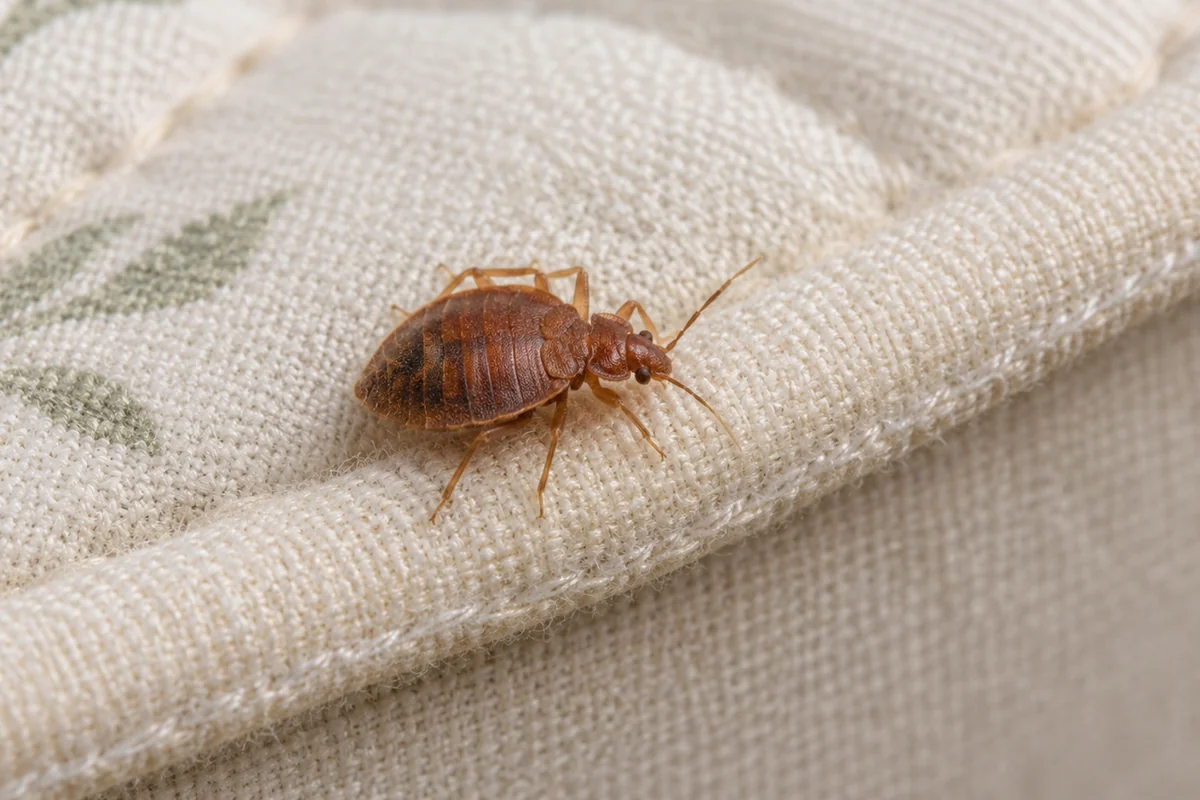
The truth: Adult bed bugs are visible without a microscope. They are approximately the size of an apple seed, with brown, flattened bodies before feeding. After feeding, they become fuller and more reddish-brown.
Young bed bugs are smaller and paler, making them harder to notice. Their eggs are tiny and pearl-white.
If you discover an unfamiliar insect, appearance matters. Several insects resemble bed bugs, so finding a small brown bug does not automatically confirm an infestation. Accurate identification should come before choosing a treatment.
3. “You Can Identify Bed Bugs by Their Bites”
The truth: Bite marks alone cannot reliably identify a bed bug problem. Similar skin reactions can come from other insects or unrelated conditions, and some people do not react to bed bug bites at all.
Look for physical evidence instead: live insects, shed skins, tiny eggs, dark fecal spots, or rusty marks from crushed bugs on bedding.
These signs warrant closer inspection. Neither an unexplained itchy spot nor the absence of bites gives you a dependable answer on its own.
4. “Bed Bugs Only Hide in Mattresses”

The truth: Mattresses are one hiding place among many. Bed bugs can shelter in box springs, headboard cracks, bed frame joints, and other protected spaces. In more extensive infestations, they may also occupy upholstered furniture and drawer joints.
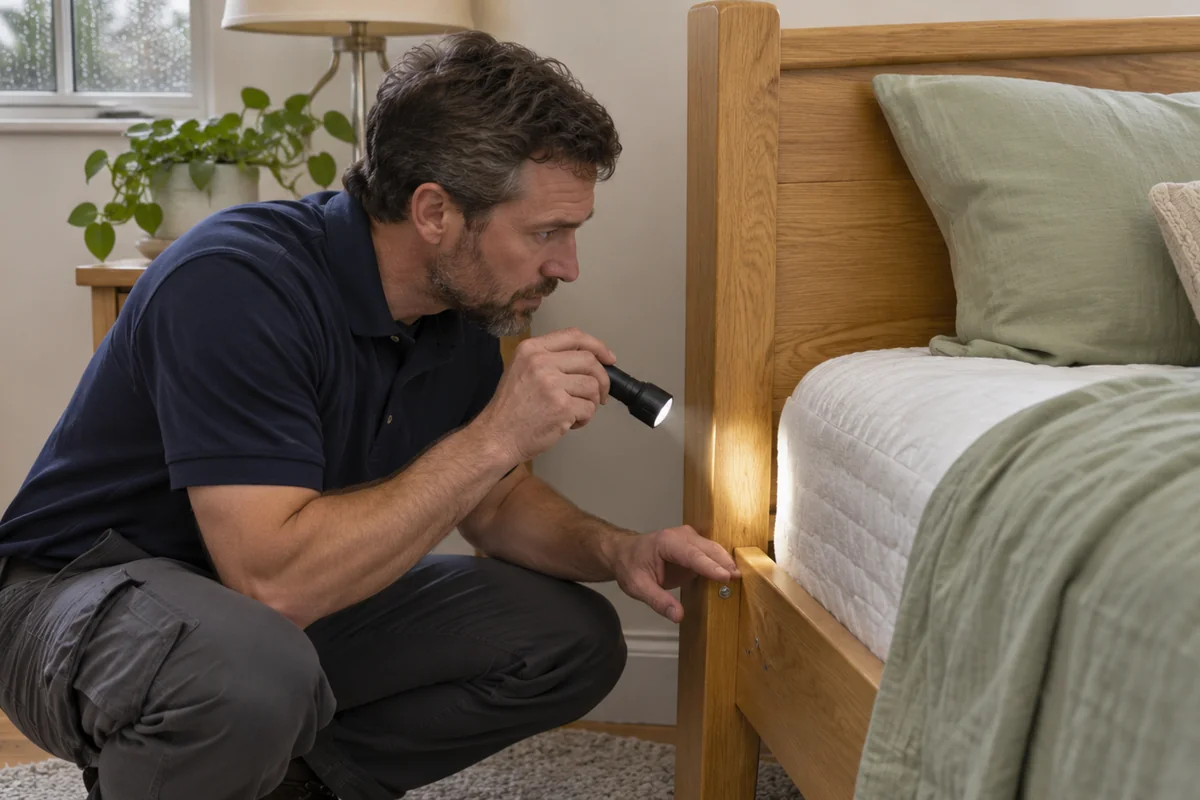
When checking your Ketchikan home, start with mattress seams, piping, and tags, then examine the surrounding furniture.
A quick glance at the sheets is not a complete bed bug inspection. Pay attention to small seams and crevices where insects can remain hidden.
5. “Alaska’s Cold Weather Will Take Care of Them”
The truth: Leaving an infested item outside during cold weather is not a dependable treatment.
Freezing can kill bed bugs under controlled conditions, but the temperature must remain sufficiently low for long enough. The University of Alaska Fairbanks notes that large items, such as mattresses, take considerable time to cool throughout. The EPA also cautions that outdoor freezing has variables that can affect success.
For Southeast Alaska residents, a cold night on the porch should not be treated as proof that furniture or luggage is pest-free. Ask a pest management professional about appropriate treatment before bringing a suspected item back into use.
6. “You Can Only Bring Bed Bugs Home From a Hotel”
The truth: Travel is one route, but bed bugs can also hitchhike on secondhand furniture, bedding, clothing, and boxes.
Inspect used beds, couches, and other furniture before bringing them into your home. Look closely at seams, cushions, and protected joints. A secondhand purchase deserves attention even if you have not traveled recently.
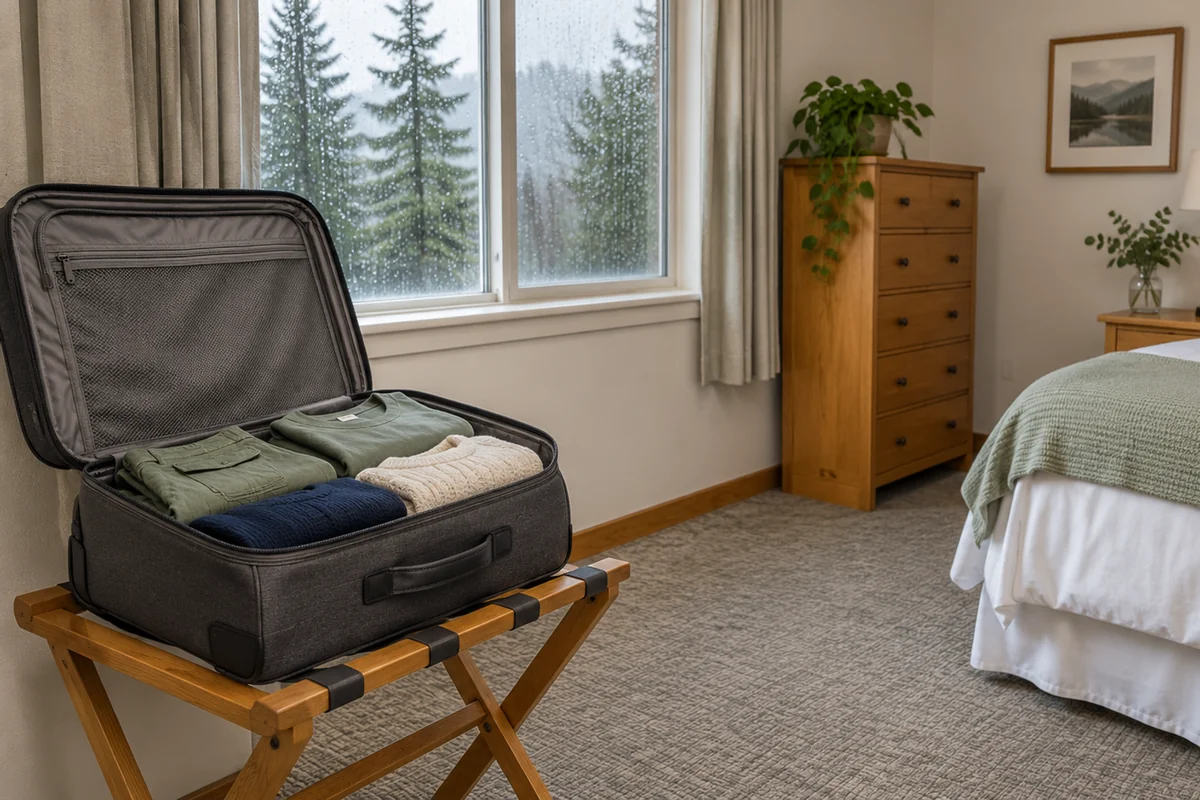
If holiday travel is on your calendar, inspect the mattress, headboard, and luggage rack where you stay. Keep bags on an inspected luggage rack away from the bed, and check your luggage carefully when you return to Ketchikan. These habits help address a common way bed bugs travel with people.
7. “A Normal Wash Cycle Will Kill All the Bed Bugs”

The truth: Washing alone may not eliminate bed bugs. Heat drying is an important part of treating clothing and bedding that can safely tolerate it.
The EPA recommends a household dryer on high heat for 30 minutes for suitable items to kill bed bugs and eggs. Check care instructions before exposing fabrics or belongings to high temperatures.
Transport potentially infested laundry in sealed plastic bags, and place treated items in clean, sealed bags afterward. This helps prevent bugs from spreading during handling or getting back onto cleaned belongings. Laundry treatment addresses those items, so it should be part of a broader response to an infestation.
8. “You Have to Throw Away Your Mattress and Furniture”
The truth: Many infested belongings can be treated and saved. Immediately discarding everything can create unnecessary expense and may spread bed bugs to other people’s homes.
Before replacing a mattress or couch, get advice about whether it can be treated. Bed bug encasements designed for mattresses and box springs may be part of a control plan.
If disposal is necessary, make sure the item cannot be mistaken for usable furniture. The EPA recommends making infested furniture unusable so someone else does not take it home.
9. “Bed Bugs Are Known to Spread Disease”
The truth: According to the CDC, bed bugs are not known to spread diseases to people. That does not mean an infestation should be ignored.
Their bites can cause itching and disrupted sleep, and allergic reactions can occur. Some people experience no visible reaction, while others find the effects distressing.
Accurate information helps homeowners respond without unnecessary fear. If you suspect bed bugs, focus on identifying the pest and arranging appropriate control. For concerns about a possible allergic reaction, contact a healthcare provider.
10. “A Bug Bomb Will Solve the Problem”
The truth: Foggers, often called bug bombs, cannot reliably reach the cracks and crevices where bed bugs hide. The EPA advises against relying on them as the only control method and warns that improper use can cause injury, fire, or explosion.
Effective bed bug control combines appropriate methods with continued monitoring. Pesticides may play a role, but some bed bug populations have developed resistance to certain products. A treatment plan needs to account for the infestation rather than assume one spray will solve everything.
If you find a suspicious insect, collect a sample for identification if possible and record where and when you found it. That information can help guide an inspection and the next steps.
You do not have to sort through a possible bed bug problem alone. If you have noticed suspicious insects or other signs in your Ketchikan home, contact Alaska Pest Management to discuss your concerns and ask about a bed bug inspection and treatment options. Share what you have found so the team can help you determine the right next step.