You hear a faint rustling in the wall. You find a small pile of what looks like sawdust on the windowsill. A few oversized black ants show up in your kitchen, and then they’re gone again by the time you grab a paper towel. It’s easy to brush off, but if you’re seeing signs like this in your home, it could be carpenter ants quietly working through your walls, and the damage only gets worse the longer they go unnoticed.
Carpenter ants are one of the most common and most misunderstood pests in Southeast Alaska. Unlike the ants you might remember from summer picnics down south, these ants don’t just wander in for crumbs. They tunnel into wood to build their nests, and by the time most homeowners notice, the colony has often been established for a while.
Here’s exactly how to spot carpenter ants before they turn into a much bigger (and more expensive) problem.
Why Carpenter Ants Are Such a Big Deal in Southeast Alaska
Alaska’s damp climate, abundant timber, and older wood-frame homes create nearly ideal conditions for carpenter ants. They’re drawn to wood that’s been softened by moisture; damp crawl spaces, leaky roof lines, old decks, and firewood stacked too close to the house. Southeast Alaska’s wet weather patterns make this an especially common issue for homes and businesses throughout the region.
Unlike termites, carpenter ants don’t actually eat wood for nutrition. Instead, they excavate it to create smooth tunnels and galleries for their nest, which means the structural damage can be just as serious, even though the ants themselves are after shelter, not a meal.
Left untreated, a mature carpenter ant colony can weaken support beams, window frames, and wall studs over time. And because they tend to nest inside walls, damage is often invisible until it’s significant.
1. Look for the Ants Themselves, But Know What to Look For
Carpenter ants are among the largest ants you’ll find in Alaska, and their size is often the first clue.
Key identifying features:
- Large size, typically ¼ inch to over ½ inch long
- Solid black, or black with a reddish tint, depending on the species
- A smooth, evenly rounded upper body (unlike termites, which have a straight, uniform waist)
- Bent, “elbowed” antennae
- Often seen at night, since carpenter ants are most active after dark
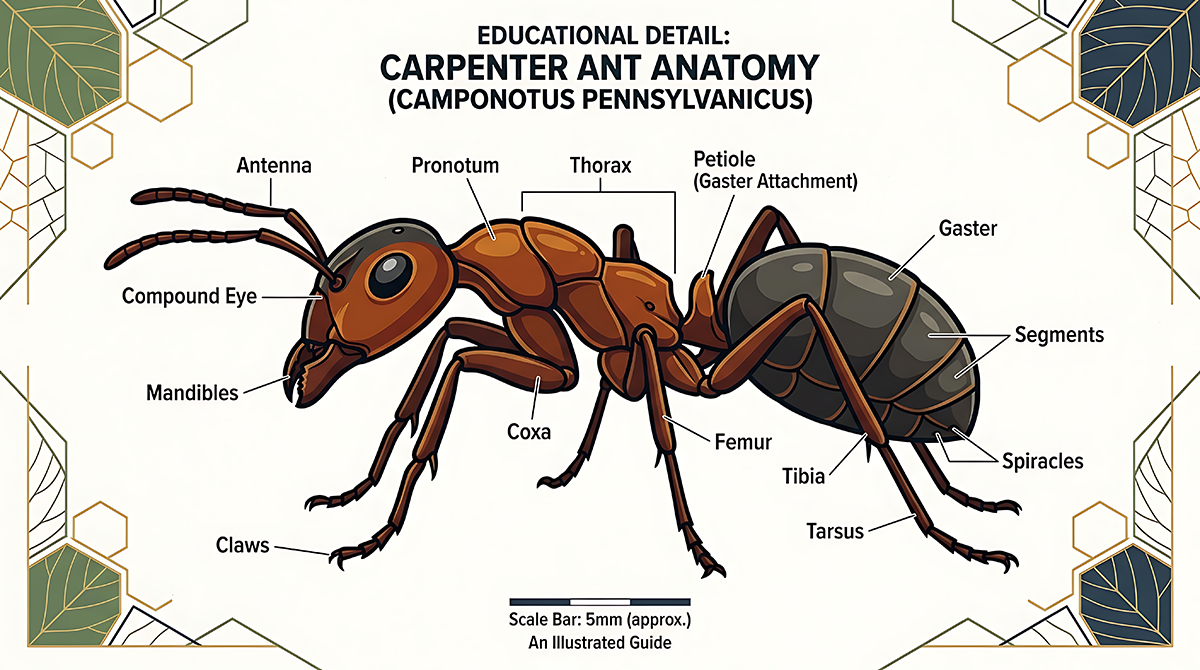
Carpenter ants are among the largest ants you’ll find in Alaska, and their size is often the first clue.
2. Check for Frass, Their Telltale "Sawdust"
One of the clearest signs of an active carpenter ant nest is frass: a fine, sawdust-like material mixed with tiny pieces of insect debris. Unlike true sawdust, frass often has a slightly gritty, uneven texture when you look closely.
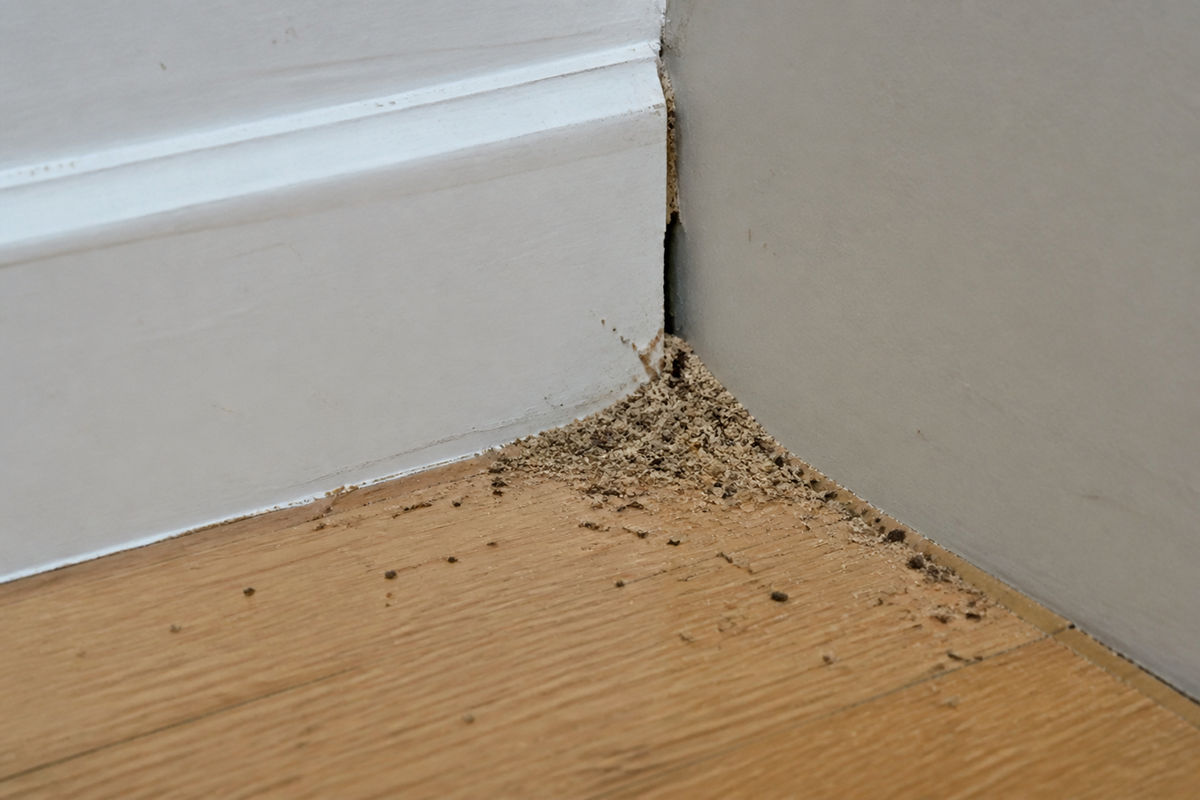
Where to check:
- Along baseboards and door frames
- Underneath outlets or light switches on exterior walls
- Near wood decks, porches, or window frames that stay damp
- In crawl spaces, attics, or around plumbing penetrations
Finding small piles of frass is one of the strongest indicators that carpenter ants have already established a nest nearby, not just passing through.
3. Listen for Faint Rustling Sounds in Walls
This one surprises a lot of homeowners, but it’s a real and useful clue. Because carpenter ants excavate wood to build their galleries, an active nest can sometimes produce a faint rustling or crackling sound inside walls, especially noticeable at night in a quiet house.
If you press your ear to a suspicious section of wall and hear soft movement or a dry, crinkling sound, that’s a strong signal it’s time for a professional inspection rather than a DIY fix.
4. Watch for Winged Ants Indoors
If you start seeing ants with wings inside your home, that’s a sign the colony has matured to the point of producing “swarmers.” These are reproductive ants preparing to leave and start new colonies. This is one of the clearest signs of an established, mature infestation rather than just a few scouts.
Quick way to tell them apart from winged termites:
- Carpenter ants have a narrow, pinched waist and bent antennae
- Their front and back wings are different lengths
- Termites have a straight waist, straight antennae, and wings of equal length
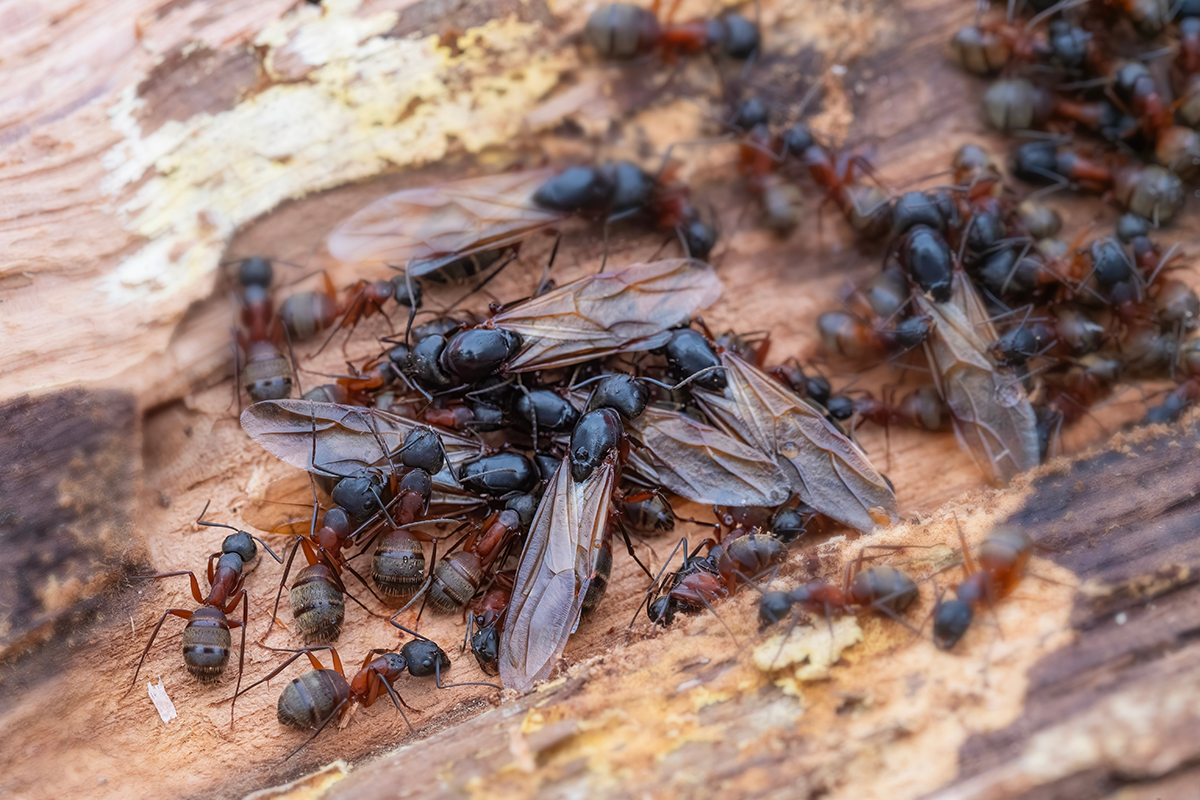
Seeing swarmers indoors, especially in late summer or early fall, usually means the nest has been active for a while and needs professional attention.
5. Inspect Areas With Moisture Damage First
Since carpenter ants are drawn to softened, moisture-damaged wood, the smartest place to look is wherever water tends to linger.
High-risk areas in Alaska homes include:
- Around window frames and door thresholds
- Under leaking gutters or poorly sealed rooflines
- Decks, porches, and any wood in direct contact with soil
- Crawl spaces with poor ventilation or standing moisture
- Firewood stacked against the house (a common, overlooked entry point)
If you find soft, crumbly, or discolored wood in any of these spots, it’s worth a closer look. Carpenter ants often move into damage that’s already there before expanding into healthy wood nearby.
What to Do If You Suspect Carpenter Ants
Carpenter ants are notoriously difficult to fully eliminate with over-the-counter sprays and store-bought bait. Because the nest is often hidden deep inside a wall, roofline, or structural beam, surface treatments may kill visible worker ants without ever reaching the colony itself, which means the problem often resurfaces weeks later, worse than before.
A proper inspection needs to:
- Locate the actual nest (and often a nearby satellite nest, since carpenter ants frequently establish more than one)
- Identify and address the moisture source that attracted them in the first place
- Apply targeted treatment rather than a broad, surface-level spray
- Follow up to confirm the colony has been fully eliminated, not just knocked back
This is exactly the kind of job that calls for local expertise. As the leading pest control company in Southeast Alaska with over 30 years of experience, we’ve inspected and treated more carpenter ant infestations in this region’s climate and building types than almost anyone and we know exactly where to look first.
Don't Wait Until You Hear It in the Walls
Carpenter ants are patient, and that’s exactly what makes them dangerous. A small, easily treatable nest today can become a significant structural repair a year or two down the road if it’s left alone. The earlier you catch the signs, the easier and less costly the fix.
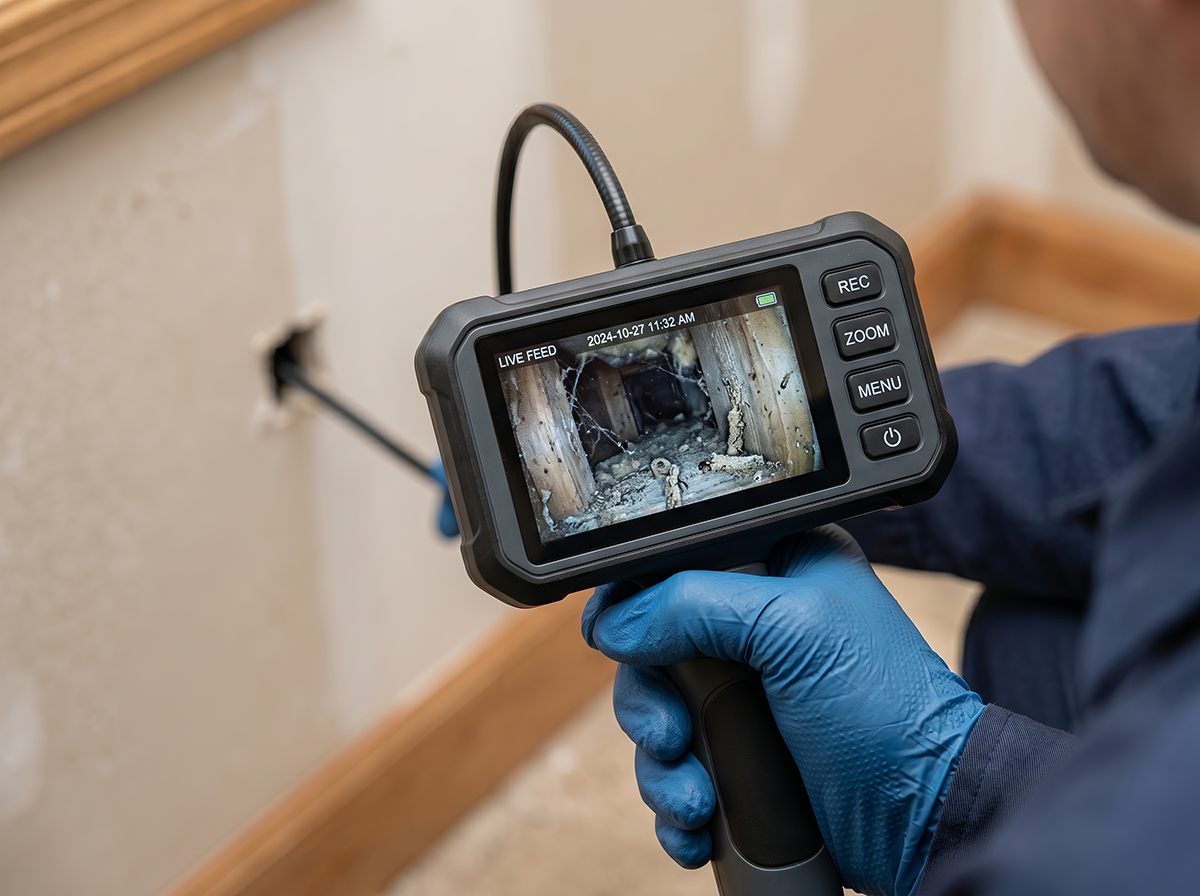
If you’re seeing any of these signs in your Ketchikan or Southeast Alaska home, don’t wait for the problem to get louder. Our team offers thorough pest inspections and targeted preventative treatments built specifically for Alaska’s climate and older wood-frame homes, plus ongoing subscription service plans to keep carpenter ants from coming back.
Think you might have carpenter ants? Contact Alaska Pest Management today for a professional inspection before the damage gets worse.